Contents:
- Quick Answer: Why Poppies Are Worn on Remembrance Day
- The Story Behind the Red Poppy
- “In Flanders Fields” and the Birth of a Tradition
- How the Poppy Became a Symbol of Remembrance Day
- Why the Poppy? Nature’s Enduring Resilience
- The Meaning of the Poppy: Beyond World War I
- How Americans Wear and Use Poppies
- Buying and Donating
- How to Wear a Remembrance Poppy
- Poppy-Themed Events
- The Red Poppy’s Changing Role in 2026
- Other Remembrance Flowers: White Poppies and Alternatives
- How to Incorporate Poppies in Floristry and Memorials
- Fresh Poppies: A Designer’s Challenge
- DIY Remembrance Poppy Ideas
- FAQ
- How did the tradition of wearing poppies on Remembrance Day start?
- Why are poppies red?
- Do Americans and Brits wear poppies for the same reasons?
- Are real poppy flowers worn on Remembrance Day in the U.S.?
- Where can I buy Remembrance Day poppies in 2026?
- Looking Ahead: Keeping the Tradition Alive
Why Poppies Are Worn on Remembrance Day
In November each year, red paper poppies pop up on lapels across the country–at football games, on news anchors’ jackets, and clustered silently on the desks of teachers and bus drivers. That tiny crimson bloom carries a depth of meaning few other flowers can match. But why is it the humble poppy, and not, say, the rose or daisy, that has become such a powerful symbol of remembrance?
Quick Answer: Why Poppies Are Worn on Remembrance Day
Poppies are worn on Remembrance Day to honor soldiers who died in wars, particularly World War I. The tradition began after the publication of the World War I poem “In Flanders Fields,” which described poppies blooming on soldiers’ graves in Belgium and France. The red poppy became a symbol of both remembrance and hope, inspiring memorial rituals in the U.S., United Kingdom, Canada, and other countries.
The Story Behind the Red Poppy
“In Flanders Fields” and the Birth of a Tradition
It starts with a poem. In May 1915, Canadian doctor and soldier Lieutenant Colonel John McCrae sat in the back of an ambulance after the burial of a friend lost to battle. Surrounded by the torn earth and the sudden, bright flush of wild poppies, McCrae scribbled twelve lines that would echo across generations:
“In Flanders fields the poppies blow
Between the crosses, row on row…”
The poem ran first in the English magazine Punch that December. Its imagery struck a chord worldwide–and just a few years later, American professor and humanitarian Moina Michael set out to make the poppy the official flower of remembrance.
By 1921, poppy-wearing campaigns were underway in both the U.S. and Britain. The Veterans of Foreign Wars (VFW) in the United States began distributing crepe-paper poppies in 1922–a tradition that’s raised millions of dollars for veteran support through their “Buddy Poppy” program.
“It’s not just a flower, it’s a silent promise: we remember,” says Alicia Martinez, AIFD-certified floral designer and military spouse.
How the Poppy Became a Symbol of Remembrance Day
Why the Poppy? Nature’s Enduring Resilience
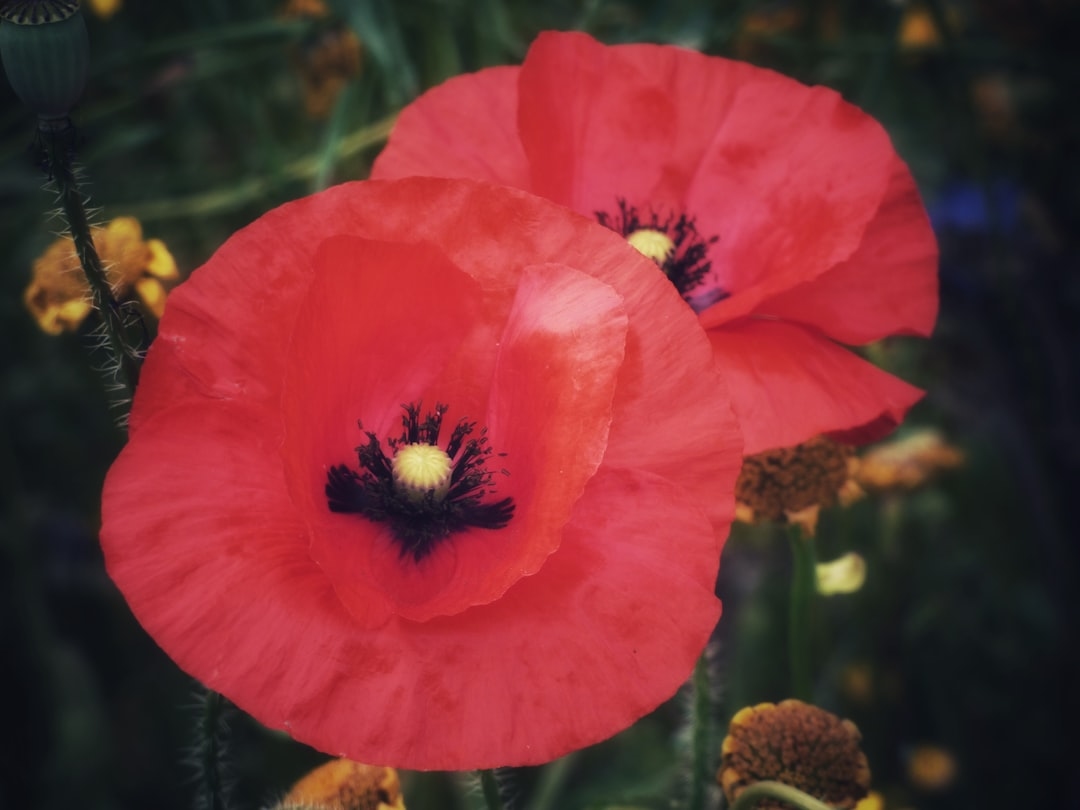
Scarlet corn poppies (Papaver rhoeas) are not common wildflowers in most of the U.S., but in war-torn fields of Europe, their seeds can lie dormant for years–waiting for the earth to be churned, as by artillery. When the ground was disturbed during World War I, swathes of poppies appeared almost overnight.
Botanical experts, including Dr. Samuel Reed (Ph.D. in Plant Ecology, University of Illinois), estimate that poppy seeds can remain viable for up to 80 years, germinating only when the soil is disturbed or exposed to sunlight. This resilience–life flourishing exactly where the soil is most scarred–became a powerful metaphor for remembrance and hope.
The Meaning of the Poppy: Beyond World War I
While Remembrance Day (November 11, coinciding with Veterans Day in the U.S.) was born from the armistice ending World War I, the red poppy now honors those lost in all wars. In the United Kingdom, Canada, New Zealand, and Australia, the poppy remains the core symbol for memorial ceremonies.
A 2024 survey by the American Legion found that 68% of U.S. adults recognized the poppy as a symbol of military remembrance. That’s much higher recognition than the forget-me-not or other floral emblems proposed over the years.
Comparison: Poppy vs. Other Floral Remembrance Symbols
| Flower | Used for | Symbolism | Popularity (2024, U.S.) |
|---|---|---|---|
| Red Poppy | All wars, Armistice Day | Remembrance, hope | 68% |
| Forget-me-not | Alzheimer’s awareness, WWII (some regions) | Memory, undying love | 21% |
| White Lily | Funerals, peace | Purity, peace | 8% |
How Americans Wear and Use Poppies
Buying and Donating
Here in the U.S., poppy pins are most commonly distributed by veteran organizations around Memorial Day in May and Veterans Day in November. You’ll see volunteers, often veterans themselves, at grocery stores or community centers handing out poppies for small donations–typically $1 to $3. All proceeds go to support disabled and disadvantaged veterans.
Major flower delivery services like 1-800-Flowers and FTD don’t usually offer fresh red poppy arrangements due to their short vase life, but you’ll find silk or paper commemorative poppy pins sold through organizations like the VFW or American Legion.
How to Wear a Remembrance Poppy
- Pin the poppy over your left breast–close to your heart.
- Wear it from November 1st through Veterans Day (November 11th)–some keep it on through Thanksgiving.
- Children, teachers, and veterans all participate, with no strict rules about age or gender.
Poppy-Themed Events
Many U.S. schools hold poppy-making activities, and cities like Kansas City, MO, host memorial ceremonies where thousands of artificial poppies are placed on “walls of honor” each year.
The Red Poppy’s Changing Role in 2026
Interest in poppy-wearing dipped during the COVID-19 pandemic, as fewer in-person events took place. But in 2026, commemorations are roaring back: the VFW distributed over 12 million poppies nationwide last year, according to their annual report.
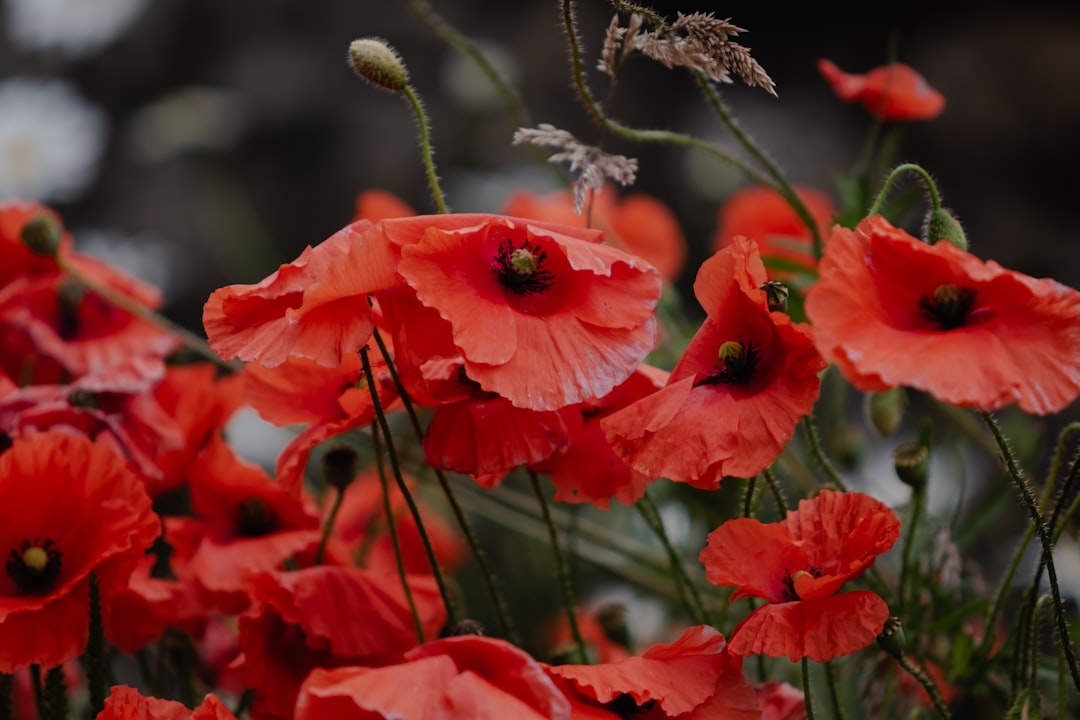
Alicia Martinez notes, “We’re seeing Gen Z and millennials rediscover the tradition–posting selfies with their poppy pins and even designing tattoos inspired by Flanders Fields. It’s a bridge between the past and the present.”
Other Remembrance Flowers: White Poppies and Alternatives
While the red poppy reigns supreme, some groups have adopted white poppies to symbolize peace and a future without war. The white poppy movement, started in the 1930s by the Women’s Cooperative Guild in England, remains niche in the U.S., but interest is growing–especially among students and peace activists.
A short list: Other flowers used for remembrance in the U.S.
- Blue cornflower: Used in France alongside poppies.
- White lily: Favored at funerals, symbolizing peace.
- Rosemary: Sometimes worn for remembrance, especially among military families.
How to Incorporate Poppies in Floristry and Memorials
Fresh Poppies: A Designer’s Challenge
Red corn poppies are delicate–flowers last about one day in a vase. For Memorial Day or Remembrance Day arrangements, American florists often use more robust alternatives:
- Icelandic poppies (Papaver nudicaule) in fresh arrangements; vase life 3-5 days.
- Silk poppies for long-lasting centerpieces.
- Poppy motifs in wreaths, ribbons, and custom-painted vases.
DIY Remembrance Poppy Ideas
Want to commemorate at home? Try:
- Crafting paper or felt poppies with children.
- Decorating a memory table with silk poppy garlands.
- Adding a poppy pin to a bouquet for a meaningful accent.
Many U.S. florists now offer poppy-themed bouquets for Veterans Day, using red ranunculus, garden roses, and even dyed anemones to mimic the iconic poppy look.
FAQ
How did the tradition of wearing poppies on Remembrance Day start?
The tradition began after World War I, inspired by the poem “In Flanders Fields” by John McCrae. American professor Moina Michael started wearing a red poppy in remembrance, and soon, organizations like the VFW began distributing poppy pins to honor fallen soldiers.
Why are poppies red?
The vivid red of the corn poppy symbolizes both the blood of fallen soldiers and the resilience of life. Red was chosen because poppies grew abundantly in the fields where many soldiers lost their lives.
Do Americans and Brits wear poppies for the same reasons?
Largely, yes: both wear poppies to honor military sacrifice, especially those lost in World War I. However, in the U.S., poppies are also associated with Memorial Day and Veterans Day, and fundraising efforts focus on veterans’ support programs.
Are real poppy flowers worn on Remembrance Day in the U.S.?
No–most poppies worn are artificial (usually made from paper, fabric, or plastic), since real poppies wilt quickly and are not widely available in the U.S. in November.
Where can I buy Remembrance Day poppies in 2026?
Veterans organizations like the VFW and American Legion distribute poppies nationwide at grocery stores, post offices, and community events. You can also order commemorative poppies online directly from their websites.
Looking Ahead: Keeping the Tradition Alive
The red poppy continues to connect Americans of every generation, from centenarians who remember WWII parades to children crafting paper blooms in elementary schools. As awareness spreads through social media and new forms of commemoration, there’s never been a better time to wear your poppy, share the story, or organize a remembrance event in your own community.
Consider donating to a local veterans’ group this November or adding a poppy-inspired touch to your next floral arrangement. Sometimes, a single flower can keep memory–and gratitude–in full bloom.