Contents:
- Quick Answer: Why Do Metal Vases Sometimes Hurt Flowers?
- The Chemistry Behind Metal Vases and Flower Longevity
- Real-World Example: Vase Materials and Flower Freshness
- How Metal Ions Affect Cut Flowers
- Disrupted Water Uptake
- Toxicity to Flowers and Bacteria
- Rust and Corrosion Compounds
- Signs Your Metal Vase Is Hurting Your Flowers
- Better Choices: What to Use (and How to Use Metal Safely)
- American Flower Delivery Services: Vase Options
- Special Cases: When Metal Might Be Safe
- Tips for Cleaning and Caring for Metal Vases
- Frequently Asked Questions
- Why do flowers wilt faster in metal vases?
- Are stainless steel vases safe for fresh flowers?
- Can I use a metal vase for tulips or lilies?
- How can I make a metal vase safer for my arrangements?
- Do pennies help keep vase water clean?
Why Metal Vases Sometimes Hurt Flowers
Picture this: You treat yourself to a crisp, hand-tied bouquet from a local New York florist. The peonies are barely open, the eucalyptus smells intoxicating, and you reach for that gleaming silver vase–a wedding gift, heavy as a bowling ball, cool to the touch. A few days later, your flowers seem to droop and brown faster than ever. Is it the vase’s fault? You bet it can be.
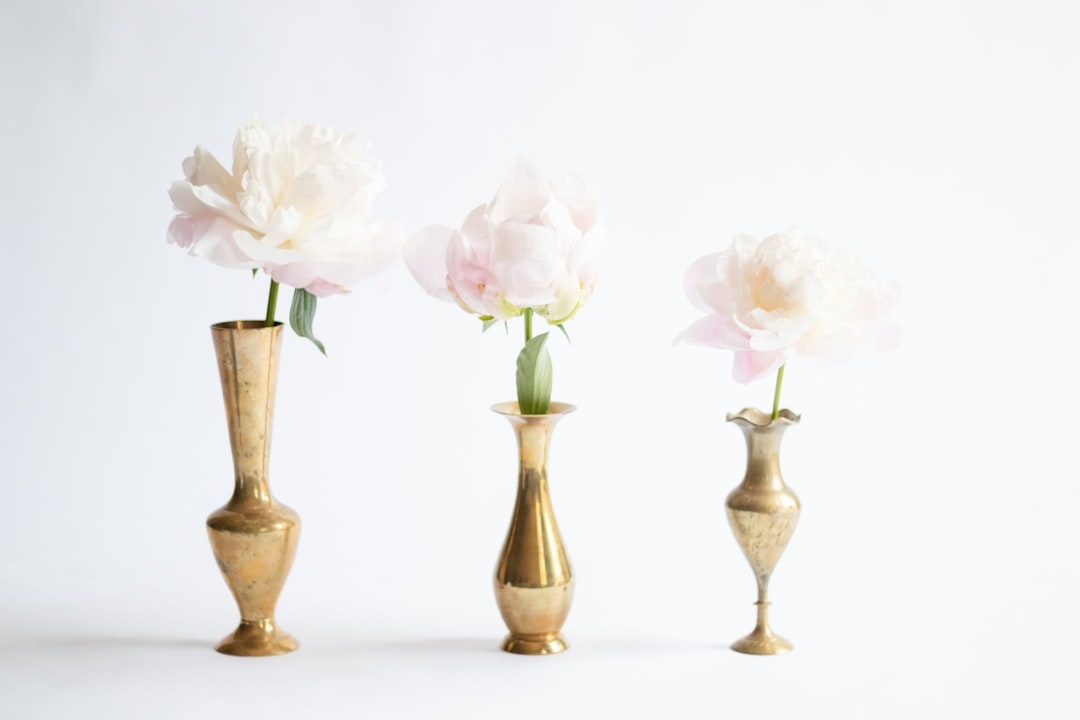
Metal vases look elegant and timeless on any table, but for fresh flowers, they sometimes play the villain. The reasons are rooted in basic chemistry, overlooked maintenance, and how certain metals react with water and stems. Here’s the inside scoop, plus what you can do to keep your blooms looking their freshest, even if you love the look of metal.
Quick Answer: Why Do Metal Vases Sometimes Hurt Flowers?
Metal vases can harm flowers because metals–especially unlined ones like brass, copper, aluminum, and iron–can release ions into the water. These ions may be toxic to flowers, speeding up wilting, browning, and stem damage. Additionally, metal vases can corrode or rust, contaminating the water. For most flowers, glass or glazed ceramic vases are safest for longevity.
The Chemistry Behind Metal Vases and Flower Longevity
Flowers aren’t just pretty faces–they’re living organisms still drawing water and nutrients even after being cut. But here’s the catch: some metals leach tiny particles into the water. Dr. Lauren Kessler, a horticulturist with the American Floral Endowment, explains, “When metals like copper or brass aren’t properly lined, they can release ions that disrupt water uptake in stems. That’s why blooms wilt earlier in metal vases.”
Common metals that cause problems:
- Copper and Brass: Both can leak copper and zinc ions. In tests at North Carolina State University (2023), cut tulips in unlined brass vases wilted 40% sooner than those in glass.
- Aluminum: Usually less reactive, but uncoated aluminum can still cause issues with delicate stems.
- Iron (including tin and steel): Tends to rust when exposed to water for days, releasing iron oxide (rust) that can choke flower stems and cloud the water.
- Silver: Sterling rarely harms flowers, but silver-plated vases with a damaged lining? Risky.
Not all metal vases are created equal. The most flower-friendly options are stainless steel or metals with a thick, intact lining–usually enamel, glass, or ceramic.
Real-World Example: Vase Materials and Flower Freshness
Here’s a comparison table showing how long a typical mixed bouquet lasts in various common vase types, based on data from the Society of American Florists (2024):
| Vase Type | Average Vase Life (Days) | Water Clarity After 3 Days | Notes |
|---|---|---|---|
| Clear glass | 8-10 | Clean, minimal odor | Easiest to clean |
| Glazed ceramic | 8-10 | Clean, minimal odor | Stylish, inert lining |
| Stainless steel | 7-9 | Clean, no residue | Safe if non-corrosive |
| Unlined brass/copper | 4-6 | Cloudy, metallic scent | Accelerates wilting |
| Painted/tinned iron | 5-7 | May rust, orange streaks | Extra cleaning needed |
“A metal vase can make your flowers look luxurious, but an unlined metal vase can significantly cut flower life. For everyday arrangements, it’s hard to beat clear glass.”
– Jada Emerson, Owner, Petals & Stems Florist, Austin TX
How Metal Ions Affect Cut Flowers
Disrupted Water Uptake
When copper or zinc ions dissolve into the water, they disrupt the natural water pathways in flowers’ stems. This phenomenon, called xylem blockage, causes flowers to wilt and lose petals earlier. Roses, lilies, tulips, and hydrangeas are especially sensitive.
Toxicity to Flowers and Bacteria
Metal ions are toxic–not only to flowers but also to the beneficial bacteria in vase water. Healthy vase microbiomes actually help some flowers stave off decay. But high concentrations of copper or iron can kill these “good” bacteria, leaving behind only odor-producing, slimy varieties that make the vase water reek.
Rust and Corrosion Compounds
Iron and steel vases are particularly problematic if their lining wears thin or chips. Rust particles (iron oxide) coat stems and block their “drinking” ability. According to the U.S. Department of Agriculture (USDA, 2022), iron oxide can reduce water uptake by up to 30% in cut stems over a week.
Signs Your Metal Vase Is Hurting Your Flowers
How do you know if your vase is sabotaging your arrangement? Look for:
- Brown streaks or spots on the bottom of stems
- Murky, orange-tinted water after 24-48 hours
- Strong metallic or unpleasant smell from the vase
- Flowers bending, wilting, or dropping petals days earlier than usual
If you notice these clues and your vase is metal, it’s likely the culprit. Time to switch!
Better Choices: What to Use (and How to Use Metal Safely)
Want that metallic shimmer on your table? Here’s how to stay stylish, not sorry:
- Check for a liner. Most higher-end brands–like Pottery Barn, West Elm, or Lenox–sell decorative metal vases with a built-in glass or acrylic liner. IKEA’s SOCKERART vase, for example, includes a removable glass insert for exactly this reason.
- DIY a liner. Place a clear glass cylinder or Mason jar inside your metal vase. Most standard vases fit quart- or pint-size jars, which cost $1-$3 at Target or Walmart.
- Reserve metal vases for dried or silk flowers. Metal’s perfect for preserved botanicals or faux arrangements. No water needed, no chemical reaction.
- If you have to use metal: Change water daily and rinse the vase thoroughly with hot water and a bit of vinegar before refilling.
American Flower Delivery Services: Vase Options
Major US flower-delivery services (like 1-800-Flowers, FTD, and UrbanStems) overwhelmingly ship glass vases for fresh flowers. If you request a metal vase for aesthetic reasons, ask whether it includes a glass liner. “Nine out of ten times, customers who request metal vases for living flowers end up calling back with complaints about drooping,” says Brittany Fields, customer care lead at UrbanStems (2026).
Special Cases: When Metal Might Be Safe
Some flowers actually benefit slightly from trace amounts of copper–especially if you’re battling murky water and stem rot. For example, a tiny copper penny dropped into a glass vase can help slow bacteria growth (the U.S. Mint uses copper-plated zinc in post-1982 pennies, so look for pre-1982 ones for maximum effect). But this trick is best reserved for large arrangements of hearty flowers, never for sensitive varieties like tulips or lilies.
Stainless steel is another safer bet, provided it stays rust-free and is washed well between uses.
Tips for Cleaning and Caring for Metal Vases
Metal vases require more TLC than glass or ceramic ones. Here’s how to keep yours in rotation, minus the flower casualties:
- Wash with mild soap and hot water after every use. Avoid harsh abrasives that can scratch liners.
- Dry thoroughly. Leaving water droplets inside can lead to rust, even in “stainless” vessels.
- For heavy tarnish, use a paste of baking soda and water on copper or brass–rinse extremely well.
- Inspect for chips or cracks in the lining. If you spot any, use the vase only for dry decor.
Frequently Asked Questions
Why do flowers wilt faster in metal vases?
Flowers wilt faster in metal vases because some metals, like copper or iron, leach ions into the water that can damage stems and disrupt water uptake. Metal corrosion or rust can also contaminate the water, further shortening flower life.
Are stainless steel vases safe for fresh flowers?
Stainless steel vases are generally safe for fresh flowers if they are high-quality and free from rust or corrosion. Stainless steel does not release harmful metal ions the way copper or brass can.
Can I use a metal vase for tulips or lilies?
It’s better to avoid unlined metal vases for sensitive flowers like tulips or lilies. These varieties are more affected by metal ions in water, leading to quicker wilting and browning.
How can I make a metal vase safer for my arrangements?
Line your metal vase with a glass or acrylic insert before adding water and flowers. If a liner isn’t available, use a glass jar or vase inside the metal one. Always clean the metal thoroughly between uses.
Do pennies help keep vase water clean?
Dropping a (pre-1982) copper penny in a vase can help control bacteria, but it’s not a foolproof method and may harm sensitive flowers. Glass or ceramic vases remain the safest choice for most arrangements.
Try This Next: Upgrade Your Vase Game
Next time you treat yourself to a bouquet, reach for clear glass or glazed ceramic first–they really do make flowers last. If you’ve fallen in love with a vintage metal vase, pop a mason jar inside (no one will see the swap). Want something dazzling for dried arrangements? Metal’s perfect there. Your fresh blooms will thank you–and your table will still gleam.
Ready for the next level? Experiment with different vase liners and see which flowers last longest in your home. Share your results with fellow flower enthusiasts, and you might just set a new trend in the world of American floristry.