Contents:
- Texas Wildflower Season: Quick Facts and Timing
- Why Is Texas Wildflower Season So Famous?
- A Brief History
- Where and When to See Texas Wildflowers
- Best Regions for Wildflower Sightings
- Timing Your Visit
- The Most Iconic Texas Wildflowers
- Bluebonnet (Lupinus texensis)
- Indian Paintbrush (Castilleja indivisa)
- Indian Blanket (Gaillardia pulchella)
- Drummond Phlox (Phlox drummondii)
- Winecup (Callirhoe involucrata)
- Planning Your Texas Wildflower Trip
- Top Wildflower Drives
- Smart Planning Tips
- What to Pack
- Texas Wildflowers in Floristry and Everyday Life
- Bringing Nature Home
- Wildflower Seeds and Gardens
- Gifting Wildflowers
- Responsible Wildflower Enjoyment
- FAQ: Texas Wildflower Season
- When is Texas wildflower season at its peak?
- Where are the best places to see Texas wildflowers in 2026?
- Can I pick wildflowers in Texas?
- How do I plant a Texas wildflower garden at home?
- Are there guided wildflower tours available?
Texas Wildflower Season: The Complete Guide
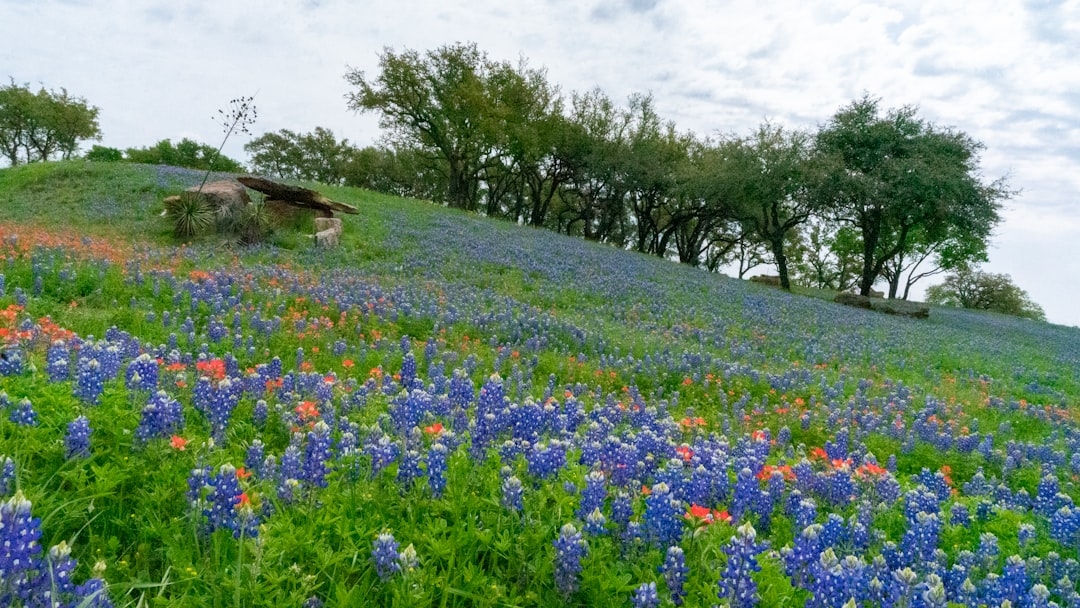
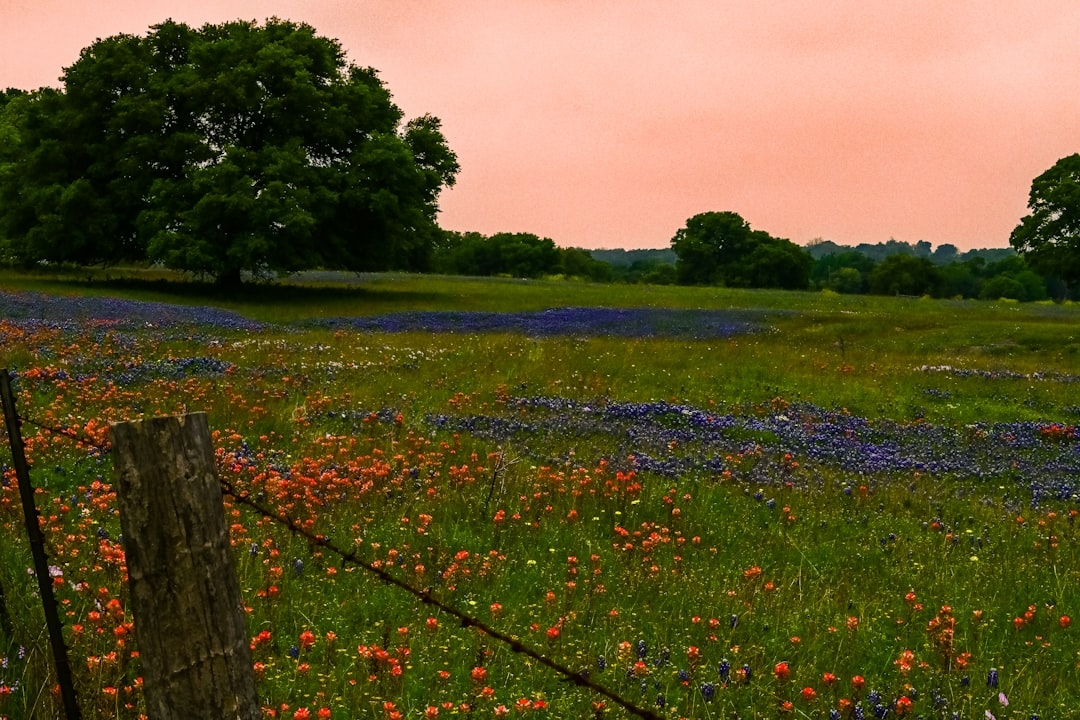
Picture this: a lonely stretch of Texas highway in late March. The asphalt shimmers in the heat. Suddenly–around the next bend–a wild, almost reckless, explosion of color. Bluebonnets so thick they seem to carpet the ground. Indian paintbrush riots in orange. The sweet, honeyed scent of primrose drifts through your open window. This is wildflower season in Texas. It’s not just a change in scenery–it’s a state-wide spectacle, a living, blooming tradition that draws photographers, families, and flower lovers from every corner of the country.
Texas Wildflower Season: Quick Facts and Timing
Texas wildflower season typically peaks from March to early May, depending on rainfall and temperatures. Bluebonnets often bloom first, starting as early as mid-March in the south and peaking in April across central Texas. By late May, most blooms fade, but some species linger into June. Top viewing regions include the Hill Country (especially around Fredericksburg, Marble Falls, and Brenham), North Texas prairies, and the Big Bend region.
Why Is Texas Wildflower Season So Famous?
Texas wildflower season is a phenomenon that stands apart, both for its scale and its culture. Every spring, more than 5,000 species put on a coordinated display, unfurling across highways, ranchlands, and parks. The state invests millions each year through the Texas Department of Transportation (TxDOT), which sows over 30,000 pounds of wildflower seeds annually along state highways.
A Brief History
- Lady Bird Johnson’s Legacy
Former First Lady and Texas native Lady Bird Johnson championed the Highway Beautification Act in the 1960s, advocating for preserving native plants–and changing the face of Texas roads forever. - Wildflower Festivals
Communities like Ennis, Burnet, and Llano now host annual wildflower festivals, drawing over 100,000 visitors each spring.
“Nowhere else in the U.S. do wildflowers shape both the landscape and the collective memory quite like in Texas,” says Jenna Martinez, lead horticulturist at the Austin Botanical Gardens.
Where and When to See Texas Wildflowers
Best Regions for Wildflower Sightings
| Region | Peak Month | Notable Flowers | Famous Routes/Landmarks |
|---|---|---|---|
| Hill Country | April | Bluebonnet, Indian Paintbrush | Willow City Loop, HWY 290 Fredericksburg |
| Gulf Coast | Late March | Pink Evening Primrose, Coreopsis | HWY 71, Brazoria NWR |
| Central Texas | April | Indian Blanket, Drummond Phlox | Brenham, Georgetown Loop |
| North Texas | April-May | Winecup, Prairie Verbena | Ennis Bluebonnet Trails |
| West Texas/Big Bend | May | Desert Mariposa, Cactus Blooms | Big Bend National Park, Marfa |
Timing Your Visit
- Early birds: By mid-March, central and southern Texas highways are usually showing their first blush of color.
- Peak show: Early to mid-April is prime time for bluebonnets and other classics. Plan for weekends if you want to catch local festivals.
- Late bloomers: In higher elevations or further north, peak can stretch into early May.
The Most Iconic Texas Wildflowers
Bluebonnet (Lupinus texensis)
Texas’ state flower is the undisputed star–and it’s not just one species. Five types are native to the state, but the Texas bluebonnet is the showstopper carpeting roadsides in thick, indigo masses. “A single acre can hold over 100,000 bluebonnet plants,” notes Dr. Steven Jacobs, botanist at Texas A&M.
Indian Paintbrush (Castilleja indivisa)
Vivid orange-red spikes, often blooming alongside bluebonnets for a patriotic punch of color. These thrive in open, sunny fields.
Indian Blanket (Gaillardia pulchella)
Bright red and yellow, reminiscent of a woven quilt. Found from the Hill Country to the panhandle, their bloom often lasts into the summer.
Drummond Phlox (Phlox drummondii)
Soft pink, purple, and magenta blossoms that add a pastel touch to the wildflower mix. Favored by local pollinators.
Winecup (Callirhoe involucrata)
Deep magenta cups that open in late spring; beloved by bees and butterflies. Their trailing stems often form sprawling mats near hiking trails.
Other notables: Texas paintbrush, pink evening primrose, Engelmann daisy, coreopsis, and the rare Big Bend bluebonnet.
Planning Your Texas Wildflower Trip
Top Wildflower Drives
- Willow City Loop (near Fredericksburg): 13 miles of twisting, oak-dotted ranch roads; traffic can back up, but the blooms are worth it.
- Ennis Bluebonnet Trails: Over 40 miles of mapped routes; best time is usually mid-April. Check the Ennis Garden Club for live updates.
- Brenham/Chappell Hill: Famous for both bluebonnets and ice cream (Blue Bell Creameries, anyone?).
Smart Planning Tips
- Check wildflower reports:
Regional groups like Wildflower Sightings Texas (Facebook), the Lady Bird Johnson Wildflower Center, and TxDOT provide frequently updated bloom reports. - Timing is everything:
Wildflowers are heavily dependent on rainfall. An exceptionally wet or dry winter can shift the season by up to two weeks. - Early morning or late afternoon:
For the best light–plus fewer crowds and cooler temperatures.
What to Pack
- Sturdy shoes (for off-road excursions)
- Water, hat, sunscreen
- Camera or smartphone with macro lens
- Blanket for classic bluebonnet family photos (just watch for fire ants and snakes!)
- Respectful attitude: don’t trample or pick the flowers–leave the scene as you found it.
Texas Wildflowers in Floristry and Everyday Life
Bringing Nature Home
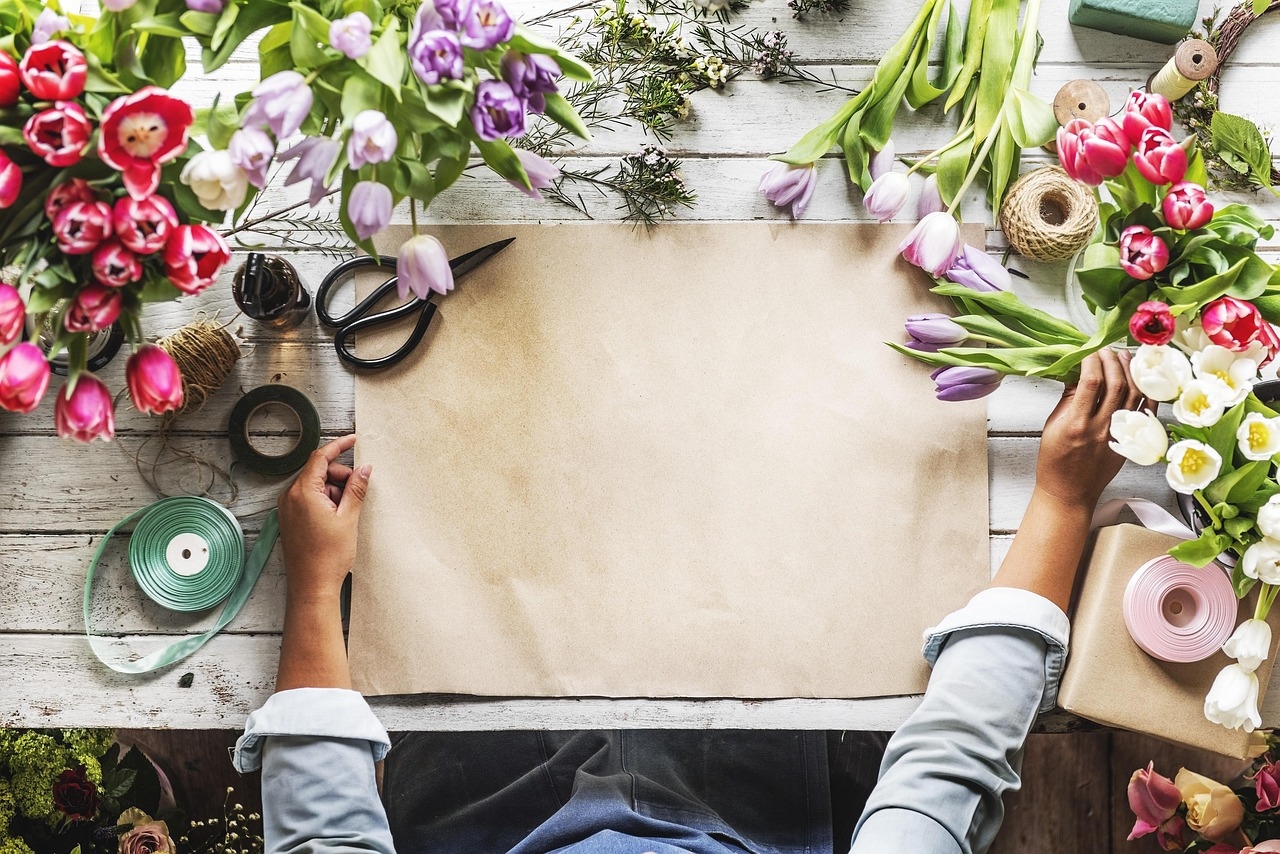
While picking wildflowers on public land is mostly illegal in Texas (and a serious faux pas), many local florists and specialty nurseries offer native flower arrangements during the season. In 2026, farm-to-vase floristry is enjoying a boom: Houston’s Urban Petal, Austin’s Native Roots, and Dallas’s Wildcrafters are just a few offering bouquets with locally grown bluebonnets, phlox, and more–typically $35-$60 per arrangement.
Wildflower Seeds and Gardens
Want the look year-round? Texan gardeners have embraced wildflower lawns, swapping turf for drought-tolerant native mixes. Wildseed Farms near Fredericksburg ships Texas wildflower seed blends nationwide for about $15-$30 per pound. Timing your sowing for late fall yields the best bloom in spring.
“Native wildflowers are more than beautiful. They support bees, butterflies, and birds unique to our region,” says Carol Williams, owner of Dallas-based Wildcrafters Floristry.
Gifting Wildflowers
Bluebonnet-themed gifts–candles, soaps, prints–are perennial favorites. Local artists and Etsy shops offer everything from pressed wildflower jewelry to hand-dyed scarves.
Responsible Wildflower Enjoyment
- Obey posted signs.
Some ranches and highways have strict no-trampling rules; respect fences and don’t block driveways or gates. - No flower picking on highways or parks.
Leave the blooms for the next traveler. Picking is illegal on state-maintained highways and discouraged elsewhere. - Stay on marked trails in parks.
This protects delicate root systems from foot traffic. - Share your photos, not the plants.
Post on social media with #TexasWildflowers2026 for the full communal experience.
FAQ: Texas Wildflower Season
When is Texas wildflower season at its peak?
Peak wildflower season in Texas occurs from late March through April, depending on the region and rainfall, with the greatest displays usually in early to mid-April.
Where are the best places to see Texas wildflowers in 2026?
The Texas Hill Country, especially along Willow City Loop near Fredericksburg, the Ennis Bluebonnet Trails, and highways around Brenham and Chappell Hill, are expected to have top wildflower displays in 2026.
Can I pick wildflowers in Texas?
In most cases, picking wildflowers on public land (especially highways and state parks) is illegal. Always check for posted regulations and consider purchasing native blooms from local florists instead.
How do I plant a Texas wildflower garden at home?
Start by choosing a sunny area, prepare soil with good drainage, and sow Texas wildflower seed blends in late fall. Water lightly until seedlings are established, then let nature take its course.
Are there guided wildflower tours available?
Yes. Several Hill Country bed-and-breakfasts and local organizations offer guided photography or wildflower spotting tours each spring, especially around Fredericksburg and Burnet. Check local tourism websites for schedules.
This year’s Texas wildflower season promises another breathtaking display–nature’s way of reminding us to pause, marvel, and reconnect. Set your calendar for an early-April road trip, bring your camera, and discover why springtime in Texas is a floral event like no other. And if you’re inspired, plant a patch of your own: the bluebonnet legacy is always only a handful of seeds away.