Contents:
- What are flowers shaped like trumpets? (Quick Answer)
- Why Do So Many Flowers Have Trumpet Shapes?
- Nature’s Invitation for Pollinators
- Visual Drama
- Which Popular Flowers Are Shaped Like Trumpets?
- Classic Trumpet Flowers for Gardens
- Trumpet-Shaped Flowers in Floristry
- Best Uses for Trumpet-Shaped Flowers
- In the Garden
- In Floral Arrangements
- How to Grow Trumpet-Shaped Flowers: Tips for US Gardeners
- Climate, Sun, and Watering Needs
- Planting and Maintenance
- Where to Buy
- Trumpet Flowers and Wildlife: The Pollinator Connection
- Are There Special Care or Safety Concerns?
- Invasive Tendencies
- Toxicity
- Allergies & Scent
- Trumpet-Shaped Flowers at a Glance
- What is the most popular trumpet-shaped flower in the US?
- Are any trumpet-shaped flowers safe for pets?
- How do I attract hummingbirds with trumpet-shaped flowers?
- Can I grow trumpet-shaped flowers in containers?
- Which trumpet-shaped flowers bloom at night?
- Looking Ahead: Bringing Trumpet Blooms Into Your Life This Year
Flowers Shaped Like Trumpets: Nature’s Most Striking Blooms
Picture a hummingbird hovering in the morning sun, sipping nectar from a flower unfurling like a tiny brass instrument. Trumpet-shaped flowers don’t just stand out in the garden for their striking silhouette–they’re also magnets for pollinators, stars in floral arrangements, and absolute showstoppers on any porch or patio. There’s more to these bold blooms than meets the eye, from their evolutionary quirks to their role in American backyards and bouquets.
What are flowers shaped like trumpets? (Quick Answer)
Trumpet-shaped flowers are plant blooms with long, tubular corollas that flare outward at the ends, resembling the bell of a trumpet. This shape is especially common in genera like Brugmansia, Datura, Nicotiana, Ipomoea (morning glories), and Lilium (trumpet lilies). You’ll spot trumpet flowers in gardens, wild landscapes, and commercial floral designs across the US–often attracting hummingbirds, moths, or butterflies who can reach deep into their tube-like blooms.
Why Do So Many Flowers Have Trumpet Shapes?
Trumpet-shaped flowers aren’t just pretty. They’re evolutionary problem-solvers, perfectly engineered to maximize pollination by long-billed birds or insects.
Nature’s Invitation for Pollinators
According to Dr. Lucia Montez, a Yale horticulture professor, “Trumpet-shaped corollas evolved to encourage visits from hummingbirds and hawk moths, whose tongues are adapted for sipping deep within these blooms.”
- Hummingbirds: Nearly every US backyard with trumpet vines (Campsis radicans) sees these jewel-toned birds stopping by all season.
- Moths: Night-blooming trumpet flowers rely on moths with extraordinary reach.
- Bees and butterflies: Some trumpet flowers have shallow tubes suited for shorter tongues.
These blooms offer more nectar at the base, ensuring that only select pollinators reach the prize–resulting in more targeted pollen transfer. It’s a win-win: nectar for guests, reproductive success for the plant.
Visual Drama
From pastel lilies to blazing orange trumpet vines, these flowers create vertical drama. Arranged upright or cascading from a hanging basket, their bold form stands out in American landscapes.
Which Popular Flowers Are Shaped Like Trumpets?
The US floral market is flush with trumpet blooms–each with its own personality, care needs, and seasonality.
Classic Trumpet Flowers for Gardens
| Common Name | Botanical Name | Main Season | Key Features | Price Range (2026 USD) |
|---|---|---|---|---|
| Trumpet Vine | Campsis radicans | Summer | Bright orange-red, attracts hummingbirds | $25-40 (gallon pot) |
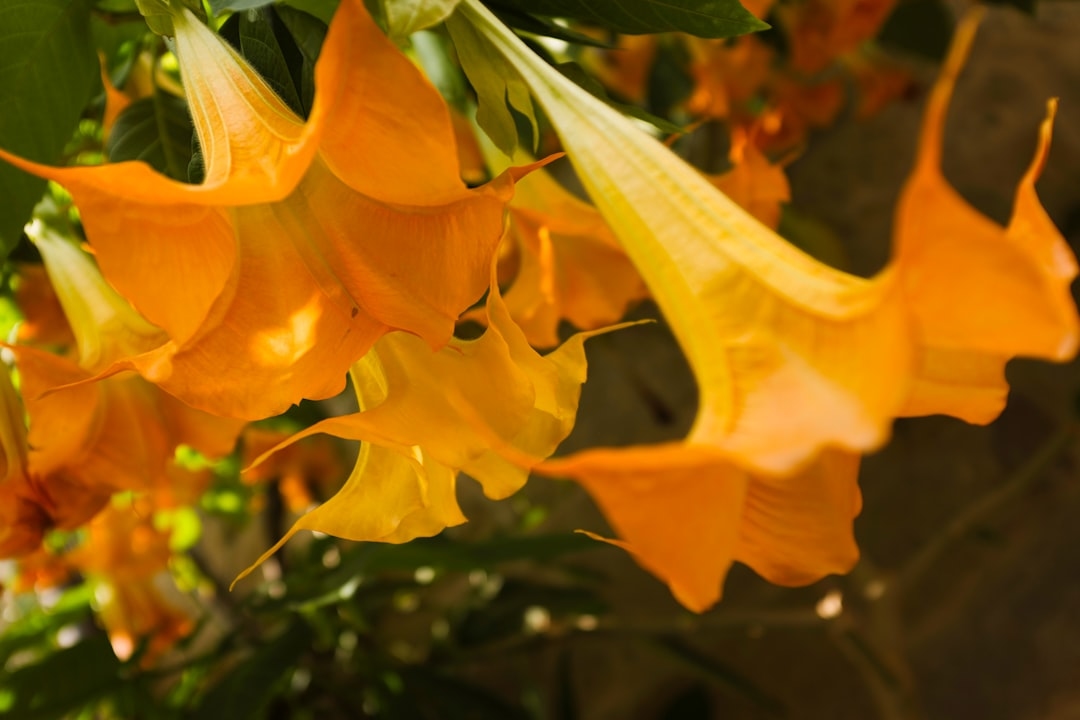
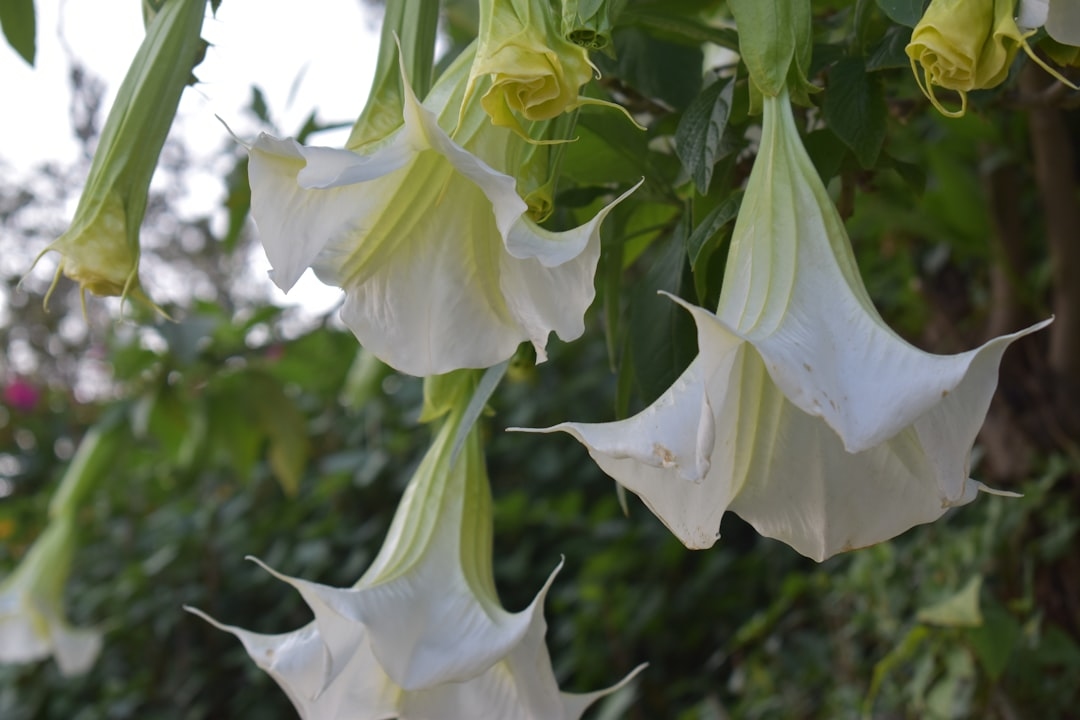
| Angel’s Trumpet | Brugmansia spp. | Summer-Fall | Large, pendulous, fragrant; toxic | $40-100 (mature shrub) |
| Trumpet Lily | Lilium longiflorum | Spring | White, stately; classic Easter flower | $8-25 (bulb) |
| Datura | Datura spp. | Summer-Fall | Night-scented, white to purple; toxic | $20-35 (starter pot) |
| Morning Glory | Ipomoea spp. | Summer Fall | Fast-growing vine, blue/purple or pink | $3-8 (packet seeds) |
A Short List of Wild and Lesser-known Trumpet Flowers
- Carolina Jessamine (Gelsemium sempervirens)
- Coral Honeysuckle (Lonicera sempervirens)
- Foxglove (Digitalis purpurea)–technically tubular, but often trumpet-shaped at a glance
Trumpet-Shaped Flowers in Floristry
Florists across the US rely on trumpet blooms for statement bouquets. White trumpet lilies are a staple for Easter and wedding arrangements. Brugmansia and datura sometimes appear in avant-garde floral installations, though both are handled with care due to their toxicity.
“Few shapes evoke as much nostalgia and celebration as trumpet lilies at Easter in America,” says Caitlin Wu, lead designer at Petal & Ivy in San Francisco.
Best Uses for Trumpet-Shaped Flowers
Trumpet-like blossoms aren’t just garden ornaments–they’re versatile in landscape design, pollinator habitats, and even container gardening.
In the Garden
- Hummingbird Gardens: Plant Campsis radicans or Lonicera sempervirens to draw in ruby-throats.
- Fragrance and Night Gardens: Angel’s trumpets and moonflowers (night-blooming Ipomoea) illuminate and perfume evening spaces.
- Privacy and Shade: Vining trumpet flowers can quickly cover arbors and trellises, providing living walls for privacy.
In Floral Arrangements
- Establishing Height: Trumpet lilies and foxglove add vertical drama to centerpieces.
- Color Pops: Orange trumpet vines inject fiery hues, especially in late summer bouquets.
- Eco-Conscious Choices: Native trumpet flowers like Carolina jessamine attract pollinators and require less water–perfect for sustainable arrangements.
How to Grow Trumpet-Shaped Flowers: Tips for US Gardeners
Many trumpet-shaped flowers thrive in a range of US climates, but success depends on the species and your site.
Climate, Sun, and Watering Needs
- Trumpet Vine: Hardy USDA zones 4-9; full sun; drought-tolerant once established.
- Angel’s Trumpet: Zones 9-11; likes rich, moist soil; protect from frost (bring indoors in cold zones).
- Trumpet Lilies: Best in zones 4-8; well-drained soil; regular watering, especially in dry summers.
- Morning Glories: Annual in most US states; full sun; moderate water.
- Datura: Zones 8-11; prefers warm, well-drained soil; drought-tolerant.
Planting and Maintenance
- Spacing: Allow trumpet vines at least 5-8 feet to spread.
- Support: Vines need trellises or fences.
- Safety: Some trumpet flowers (Brugmansia, Datura) are highly toxic–keep away from pets and children.
Where to Buy
- National retailers: Home Depot, Lowe’s, and local nurseries carry common trumpet flowers (prices range $8-$100).
- Specialty: US online retailers like AmericanMeadows.com and White Flower Farm offer rare cultivars and bulbs.
- Florist supply: Wholesale for trumpet lilies averages $2-$4 per stem (2026 pricing), with retail arrangements $50-$150.
Trumpet Flowers and Wildlife: The Pollinator Connection
Across the US, gardeners intentionally plant trumpet-shaped flowers to support hummingbirds and native pollinators. Research from the Cornell Lab of Ornithology (2024) found that backyards with Campsis radicans hosted up to 35% more ruby-throated hummingbird visits during summer migration compared to similar gardens without.
- Butterflies: Some, like the Giant Swallowtail, use trumpet-shaped blooms as nectar stops.
- Moths: Night-flying sphinx moths favor large, white, fragrant trumpets.
- Native bees: Prefer open, shallow trumpets or tubular shapes they can access.
“The right flowers turn a yard into a living, buzzing ecosystem,” notes Eduardo Salinas, urban pollinator consultant, Los Angeles.
Are There Special Care or Safety Concerns?
Trumpet-shaped flowers can be some of the easiest–or riskiest–to grow, depending on species.
Invasive Tendencies
- Trumpet Vine can be aggressive, spreading rapidly in ideal US climates. Keep it in check with annual pruning and root barriers.
- Morning Glory seeds are notorious for sprouting everywhere, sometimes even outcompeting less vigorous natives.
Toxicity
- Angel’s Trumpet (Brugmansia) and Datura: All parts are highly toxic if ingested by pets or humans. Handle with gloves, wash hands thoroughly, and do not plant near play areas.
- Foxglove: Also poisonous–keep out of reach of young children and curious animals.
Allergies & Scent
- Trumpet lilies and datura emit powerful fragrances; for those with sensitivities, opt for less-scented trumpet flowers like Campsis or Ipomoea.
Trumpet-Shaped Flowers at a Glance
Here’s a quick-reference snapshot of standout trumpet-shaped flowers found in US gardens and arrangements:
| Flower Name | Color Range | Best For | Major Drawbacks |
|---|---|---|---|
| Trumpet Vine | Orange-red | Hummingbirds, fences | Invasive, needs space |
| Angel’s Trumpet | White, pink, gold | Fragrance, showpiece | Toxic, frost-tender |
| Lilium longiflorum | White, creamy pink | Bouquets, gardens | Scent, deer attraction |
| Morning Glory | Blue, purple, pink | Fast cover, easy bloom | Self-seeds aggressively |
| Datura | White, lavender | Night gardens, scent | Extremely toxic |
FAQ: Flowers Shaped Like Trumpets
What is the most popular trumpet-shaped flower in the US?
The Easter lily (Lilium longiflorum) is the most widely recognized trumpet-shaped flower in America, especially popular in spring bouquets and religious celebrations.
Are any trumpet-shaped flowers safe for pets?
Some, like trumpet vine (Campsis radicans) and morning glory, are generally less toxic but can cause mild stomach upset if ingested. Avoid planting Brugmansia or Datura, as both are extremely poisonous to cats, dogs, and humans.
How do I attract hummingbirds with trumpet-shaped flowers?
Plant native species like trumpet vine (Campsis radicans) or coral honeysuckle (Lonicera sempervirens) in sunny spots. Red, orange, and pink colors are especially attractive to hummingbirds, and planting in clusters increases visibility.
Can I grow trumpet-shaped flowers in containers?
Yes. Angel’s trumpet and dwarf trumpet lilies thrive in large pots. Choose well-drained soil, water regularly, and overwinter frost-tender species indoors in cold regions.
Which trumpet-shaped flowers bloom at night?
Moonflower (Ipomoea alba) and some datura species bloom in the evening, releasing fragrance to attract night pollinators like moths.
Looking Ahead: Bringing Trumpet Blooms Into Your Life This Year
This season, experiment with a few trumpet-shaped flowers in your own space–start a seed tray of morning glories, add a native trumpet vine to your fence, or request Easter lilies from your local florist for an upcoming event. These iconic blooms invite wildlife, brighten up arrangements, and turn even a small corner of your home into a pollinator’s paradise. Want flowers that truly sing? Trumpet-shaped blossoms deliver, year after year.