Contents:
- Quick Answer: Best Flowers for Seniors with Breathing Problems
- Why Flower Choice Matters for Seniors’ Lung Health
- What Makes a Flower Safe or Unsafe for People with Breathing Issues?
- Scent and Fragrance
- Pollen Production
- Mold Risk
- The Safe-Flower Shortlist: Top Picks and Why They Work
- More About Orchids
- Roses–But Not All Roses
- Hydrangeas and Snapdragons
- Which Flowers to Avoid for Respiratory Sensitivity
- How to Shop for Respiratory-Safe Bouquets in 2026
- Request Hypoallergenic Arrangements
- Check the Care Instructions
- The Value of Artificial or Dried Blooms
- Pull-Quote
- Special Notes for Care Facilities and Home Settings
- FAQ: Flowers Safe for Elderly with Breathing Issues
- What are the safest flowers for people with COPD or asthma?
- Are there any flowers seniors with breathing problems should always avoid?
- Can artificial flowers trigger respiratory symptoms?
- How can I order a hypoallergenic bouquet online for delivery in the US?
- How can I keep cut flowers fresher and safer for longer?
- Make Flower-Giving Both Beautiful and Breath-Easy
Flowers Safe for Elderly with Breathing Issues
Last Thanksgiving, Susan arrived at her father’s assisted living apartment with a beautiful florist’s bouquet. Within minutes, her dad started coughing and wheezing–a reaction, the nurse later explained, to the highly fragrant lilies and aster in the arrangement. The culprit? Certain flowers release pollen or strong scents that can irritate sensitive lungs, especially in older adults with asthma, COPD, or other breathing challenges.
It’s a scenario more common than people realize. Many classic blooms, beloved for birthdays and holidays, can make life harder for seniors dealing with respiratory issues. But here’s the good news: countless flowers are gentle on the lungs, offering beauty without the sneezes or coughs. Here’s how to choose the right ones for the ones you love.
Quick Answer: Best Flowers for Seniors with Breathing Problems
People with breathing issues–especially older adults–should choose flowers with low or no scent, minimal pollen, and closed (non-powdery) blooms. Top safe picks include:
- Orchids (especially Phalaenopsis orchids)
- Roses (unscented varieties, like some from David Austin’s “No Scent” line)
- Hydrangeas
- Snapdragons
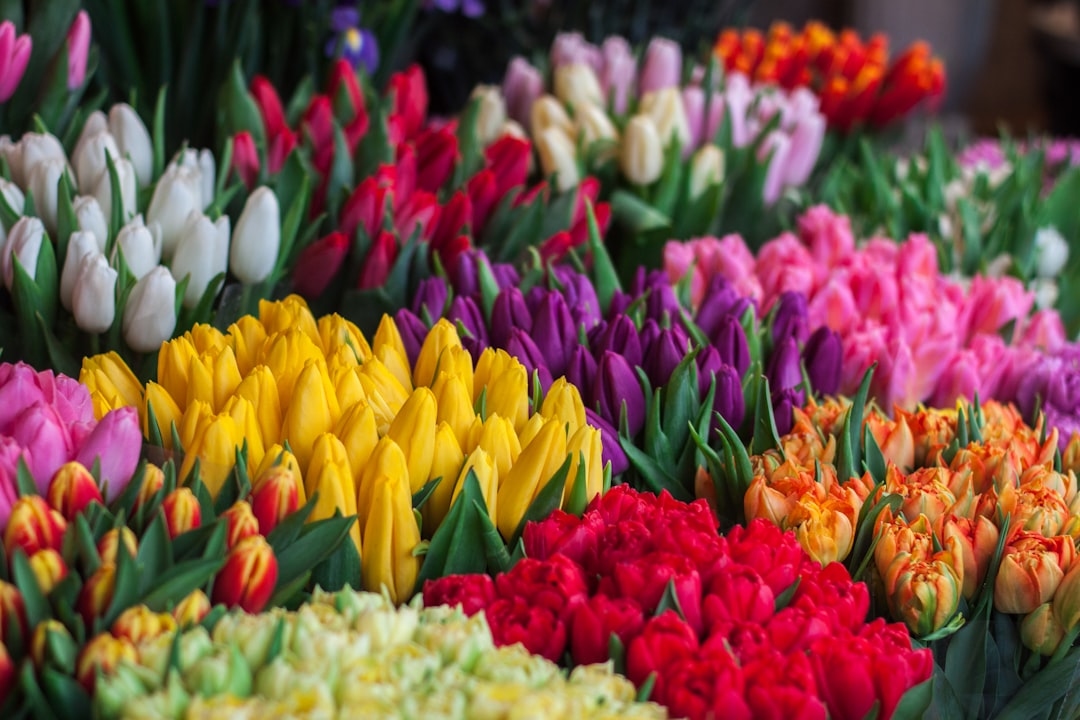
- Tulips
- Daffodils
- Gerbera daisies (single-flowered types)
- Lisianthus
- Zinnias
Avoid lilies, chrysanthemums, sunflowers, and strongly-fragranced flowers like stock, hyacinth, freesia, lilac, and gardenia. Always check with your florist for hypoallergenic options and request “low pollinator” or “low scent” arrangements.
Why Flower Choice Matters for Seniors’ Lung Health
According to the American Lung Association, more than 16 million adults in the US have been diagnosed with a lung disease, and the prevalence increases with age. Certain flowers release microscopic particles–pollen, spores, or volatile organic compounds (VOCs)–that can trigger symptoms in people with asthma, COPD, or allergies.
Dr. Karen Saito, a geriatric pulmonologist at NYU Langone Health, explains:
“Even small exposures to flower pollen or strong fragrance can cause a spike in coughing, shortness of breath, or an asthma attack in sensitive older adults.”
Many nursing homes and assisted living facilities follow fragrance-free policies for precisely this reason.
What Makes a Flower Safe or Unsafe for People with Breathing Issues?
Scent and Fragrance
Flowers with strong fragrances–like lilies, hyacinth, jasmine, and freesia–emit VOCs that can irritate sensitive airways. Even if someone doesn’t have allergies, these scents can trigger headaches or respiratory tightness.
Pollen Production
Pollen isn’t just an outdoor allergy concern. Indoors, airborne pollen can settle in the lungs. Avoid “messy” flowers that shed visibly or have exposed, powdery anthers. Opt for blooms with closed petals or double-flowering types that trap pollen.
Mold Risk
Cut flowers, especially when left in old water, can promote mold growth. Mold spores are among the top indoor air irritants for older adults. Change vase water every 2-3 days, trim stems, and remove wilting petals to keep things fresh.
The Safe-Flower Shortlist: Top Picks and Why They Work
Let’s break down why some flowers work well for elderly loved ones with sensitive lungs. Here’s a handy comparison table:
| Flower | Fragrance | Pollen | Mold Risk | Notable Brands/Varieties | Typical US Pricing (2026) |
|---|---|---|---|---|---|
| Orchids | Minimal | Very low | Low | Phalaenopsis (‘Moth’ Orchid), Just Add Ice | $25-$50 per plant |
| Hydrangeas | Light | Low | Moderate | Proven Winners ‘Limelight’ | $35-$60 per bouquet |
| Roses (unscented) | None | Low | Low | David Austin “No Scent” line | $40-$95 per dozen |
| Tulips | None | Low | Low | Dutch growers, BloomsyBox | $25-$45 per bunch |
| Daffodils | Light | Very low | Low | ‘King Alfred’ | $30-$50 per bunch |
| Lisianthus | None | Very low | Low | ABC Pink, Rosanne Green | $40-$60 per bouquet |
| Gerbera Daisies | Light | Low | Low | Assorted US-grown | $30-$70 per bunch |
More About Orchids
Phalaenopsis orchids top the list for multiple reasons: they’re nearly scentless, rarely drop pollen, and their waxy blooms last weeks. Modern US retailers like Just Add Ice and The Sill offer doorstep delivery with clear care instructions–perfect for gifting to seniors.
Roses–But Not All Roses
Not every rose is a good fit. Many American-grown roses are bred for scent, but several varieties are “no scent” and low-pollen. Ask your florist for specifically unscented types; David Austin’s US retail arm has expanded their “No Scent” collection since 2022.
Hydrangeas and Snapdragons
These look impressively lush, and hydrangeas especially are nearly scent-free. Snapdragons can sometimes emit a very faint fragrance but are widely used in hospital bouquets for their allergy-friendly qualities.
Which Flowers to Avoid for Respiratory Sensitivity
Some of the most popular cut flowers are actually among the worst for lung health. Here’s who gets the red light:
- Lilies: Super fragrant, with heavy, visible pollen.
- Sunflowers and Chrysanthemums: Strong pollen producers that shed easily.
- Daisies (wild/field varieties): Heavy pollen.
- Stock and Freesia: Extremely fragrant, can overpower a small space.
- Gardenias and Jasmine: Potent scent, allergenic potential.
Plus, tropical flowers like birds of paradise or tuberose can also disturb sensitive airways.

How to Shop for Respiratory-Safe Bouquets in 2026
Request Hypoallergenic Arrangements
Most leading US flower delivery brands–like UrbanStems, Farmgirl Flowers, and 1-800-Flowers–now offer a “hypoallergenic” or “scent-free” filter. Use these online tools to streamline your search. Local florists are also becoming more aware–don’t hesitate to ask for low-pollen, unscented choices.
Check the Care Instructions
Always include a care card for the recipient. Remind family or caregivers to:
- Change water every 2-3 days.
- Remove wilting leaves and petals.
- Place arrangements away from vents, fans, or direct sunlight to minimize mold or spore growth.
The Value of Artificial or Dried Blooms
High-end silk flowers, like those from Afloral or Nearly Natural, are indistinguishable from the real thing. Zero pollen, zero scent, and zero maintenance. Dried arrangements–just avoid preserved flowers that use chemicals–are another option, but do check for dust.
Pull-Quote
“The best gift is one that brings joy and comfort, not a coughing fit. Always ask your florist for respiratory-friendly options–most are happy to help.”
– Paula Green, Certified Florist, Dallas, TX
Special Notes for Care Facilities and Home Settings
Senior living communities in the US often have strict policies about scents and allergens, due to the high rates of asthma and COPD in their residents. If you’re sending flowers to a care facility, call ahead and confirm their policies. Many only accept “unscented, non-pollen, non-potted” arrangements.
At home, consider portable HEPA air purifiers (like the Blueair Blue Pure 211+), especially if arranging frequent fresh bouquets.
FAQ: Flowers Safe for Elderly with Breathing Issues
What are the safest flowers for people with COPD or asthma?
Orchids (especially Phalaenopsis), hydrangeas, unscented roses, tulips, lisianthus, and daffodils are the safest choices. They have little to no fragrance and minimal pollen release.
Are there any flowers seniors with breathing problems should always avoid?
Yes. Steer clear of lilies, chrysanthemums, sunflowers, wild daisies, stock, freesia, gardenias, and any highly scented or heavily shedding blooms.
Can artificial flowers trigger respiratory symptoms?
Quality silk flowers are safe and hypoallergenic. However, dusty or poorly maintained artificial arrangements can harbor dust mites–clean with a damp cloth monthly.
How can I order a hypoallergenic bouquet online for delivery in the US?
Use filters for “hypoallergenic” or “scent-free” on sites like UrbanStems, Farmgirl Flowers, or 1-800-Flowers. You can also call local florists and specify the need for unscented, low-pollen flowers.
How can I keep cut flowers fresher and safer for longer?
Change the water every 2-3 days, trim the stems, remove dead leaves, and keep the bouquet in a cool, shaded area away from vents or direct sun. This reduces mold risk and extends vase life.
Make Flower-Giving Both Beautiful and Breath-Easy
The next time you send blooms to a grandparent, parent, or neighbor living with respiratory challenges, try this: snap a photo of safe bouquet options on your phone, and bring it with you to the florist. You’ll be surprised how many stunning, safe choices there are. Or, if you want peace of mind, browse hypoallergenic selections from US brands online–these options are growing every year.
Show your care in full color, without worry. That’s truly a breath of fresh air.