Contents:
- The Best Flowers for Sensory-Sensitive Kids (Quick Answer)
- Why Sensory-Friendly Floristry Matters
- Understanding Sensory Triggers
- Choosing Flowers: A Parent’s Guide
- Softest Petals, Calmest Bouquets
- Fragrance-Free Favorites
- Creative Flower Activities for Sensory-Sensitive Kids
- Touch-Friendly Flower Crafts
- Bouquet Building as Therapy
- Adapting the Floral Environment
- Minimizing Pollen & Shedding
- Calming Colors
- Sourcing Sensory-Friendly Flowers in the US
- Involving Children in Flower Selection
- FAQ
- What are the best flowers for sensory-sensitive children?
- Are there flowers that are completely fragrance-free?
- How can I keep bouquets safe for sensory-sensitive kids?
- What should I tell my florist for a sensory-friendly arrangement?
- Can flower crafts help with sensory development?
Flowers for Sensory-Sensitive Children
On a spring day in Seattle, a mother told her florist she needed a bouquet “without the itchy stuff.” Her six-year-old, diagnosed with sensory processing disorder, loved smelling the garden but would flinch from scratchy stems or sharp scents. More families are having this conversation every year. Roughly 1 in 6 children in the US are estimated to have sensory processing differences (CDC, 2025), meaning not all flowers are created equal for little hands and sensitive noses.
The Best Flowers for Sensory-Sensitive Kids (Quick Answer)
Certain flowers–like smooth-petaled tulips, gentle lisianthus, and unscented ranunculus–work best for children with sensory sensitivities. Look for blooms with:
- Soft, velvety, or waxy petals
- Little to no fragrance
- Pollen-free varieties
- Minimal shedding or spiky greenery
Florists like UrbanStems (US, $35-$65 bouquets in 2026) recommend avoiding lilies, chrysanthemums, and heavily perfumed roses for sensitive children. Instead, opt for tulips, anemones, lisianthus, hydrangea, and sunflowers with trimmed centers.
Why Sensory-Friendly Floristry Matters
Child therapists such as Dr. Rachel Cohen, OTD, who works with SPD children in New York, stress that flowers can invite joy–or overwhelm. “Textures, smells, even pollen powder: all can trigger discomfort or meltdowns. But the right flowers unlock curiosity and calm,” she explains.
Understanding Sensory Triggers
For some kids, the soft fuzz of a lamb’s ear leaf brings delight. For others, the stickiness of snapdragons or the strong scent of hyacinth can spark agitation. The key factors:
- Texture: Prickly, rough, or sticky surfaces (thistles, statice, snapdragons) often feel unpleasant.
- Scent: Strongly perfumed flowers (lilies, stock, gardenias) may be overwhelming. Some may even trigger headaches.
- Visuals: Pollen dust, brightly colored centers, or dropping petals can be distracting or anxiety-inducing.
Florists at Petal Pals, a Chicago-based children’s floral service, report that 80% of their orders for sensory-sensitive clients specify “no scent” and “pillowy petals.”
Choosing Flowers: A Parent’s Guide
Not all popular flowers are a match for every child. Here’s how to make informed, safe choices:
Softest Petals, Calmest Bouquets
Some flowers stand out for their gentle touch–literally.
| Flower | Texture | Scent Level | Shedding/Risk |
|---|---|---|---|
| Tulip | Smooth, waxy | Minimal | Low |
| Lisianthus | Soft, delicate | Mild, brief | Low |
| Ranunculus | Silky, layered | None | Low |
| Hydrangea | Pillow-like masses | None-Mild | Med (petals drop) |
| Sunflower | Velvet petals, firm | None-Mild | Med (seeds/dust) |
| Anemone | Flat, soft | None | Low |
Avoid: Roses with thorns and heavy scent, chrysanthemums (scratchy), lilies (strong scent, pollen), and most wildflowers (variable textures and bugs).
Fragrance-Free Favorites
Many people assume “all flowers smell,” but thousands are nearly scentless. Look for supermarket bouquets labeled “unscented,” or ask your local florist for these:
- Tulips
- Gerbera daisies
- Alstroemeria (Peruvian lily, but scentless and soft)
- Ranunculus
- Zinnias
- Snapdragons (small scent, but some kids dislike texture)
- Lisianthus
“Our top sellers for kids’ events are hydrangeas, lisianthus, and tulips. They’re colorful, soft, and don’t trigger allergies or overwhelm,” shares Morgan Ellis, head designer at Dallas’s Sprout Studio Florist (2026).
Creative Flower Activities for Sensory-Sensitive Kids
Experience shapes learning–and flowers are more than just pretty to look at.
Touch-Friendly Flower Crafts
- Petal Sorting: Use smooth tulip or lisianthus petals for gentle sorting or color-matching games.
- Sensory Flower Trays: Create a tray with soft flower heads, lamb’s ear leaves, and cool, round pebbles.
- Bloom Pressing: Encourage gentle handling and observation by pressing flowers between paper towels under heavy books.
Bouquet Building as Therapy
Occupational therapists, like Sarah Gibbs, OTR/L (Los Angeles, CA), often use safe, soft flowers in therapy. Arranging blooms develops fine motor skills, resilience, and relaxation–without the risk of “ouch” moments.
Adapting the Floral Environment
Room set-up and bouquet maintenance can make a world of difference for sensory-sensitive children.

Minimizing Pollen & Shedding
- Choose flowers bred for low pollen (e.g., double-flowering tulips or petal-packed ranunculus).
- Remove pollen stamens from sunflowers or lilies–your florist can do this.
- Avoid greenery like asparagus fern or eucalyptus, which often shed or feel rough.
Calming Colors
While not sensory triggers in themselves, color can influence perception. Pale pastel tones–powder blue hydrangeas, white lisianthus, blush pink ranunculus–are often experienced as soothing, according to color psychologist Margaret Yu, PhD.
Sourcing Sensory-Friendly Flowers in the US
Most chain grocers (Whole Foods, Trader Joe’s, Safeway) carry tulips and hydrangeas year-round in 2026, averaging $10-$25 per bunch. For curated, kid-friendly bouquets, check:
- UrbanStems: Offers “Soft Touch” bouquets, with free nationwide shipping.
- The Bouqs Co.: Custom bouquets with texture and scent guidance via chat.
- Local Florists: Ask for “sensory-friendly” arrangements or describe your child’s triggers–many shops are eager to help.
National delivery typically runs $35-$70 per bouquet. For classroom projects, bulk options are available from Sam’s Club and Costco Floral.
Involving Children in Flower Selection
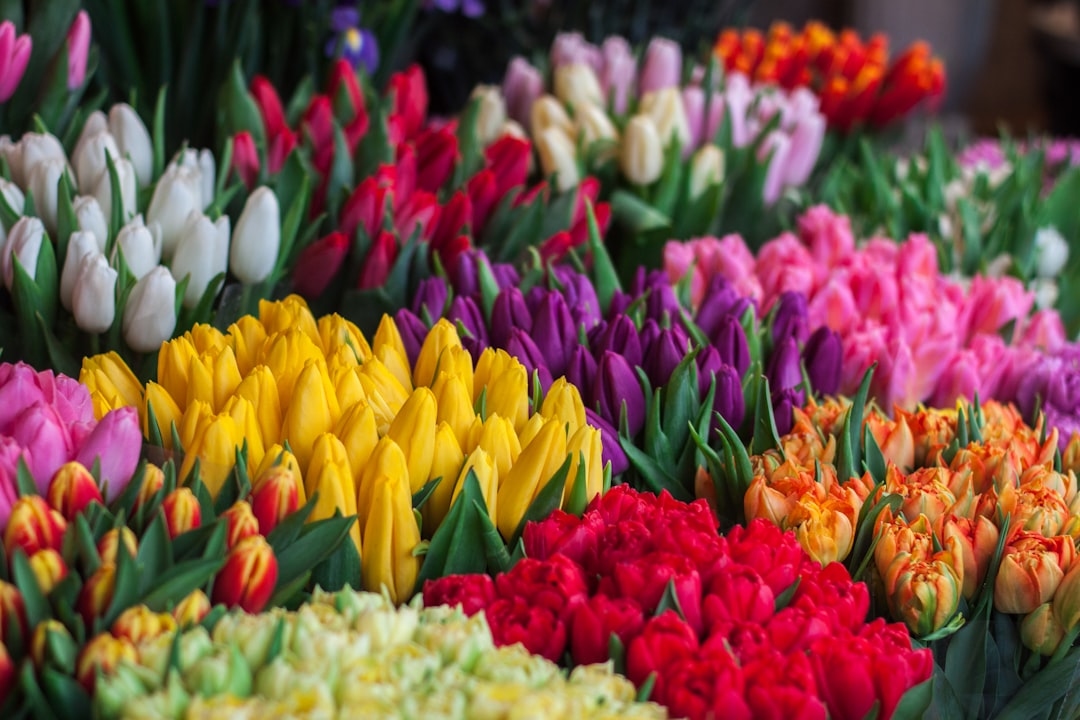
Empowering kids to choose encourages comfort and confidence. Visit a flower stand, or scroll online together. Let them touch, sniff, and explore at their own pace. Use descriptive language:
- “Does this feel soft or scratchy?”
- “Is this smell okay?”
- “Do you like these colors?”
Choice can also reduce anxiety and make special occasions–birthdays, memorials, graduations–more meaningful, even for the most sensitive little ones.
FAQ
What are the best flowers for sensory-sensitive children?
The best flowers are tulips, lisianthus, ranunculus, hydrangea, and anemones. These have soft or smooth petals, little to no scent, and don’t shed pollen or leaves.
Are there flowers that are completely fragrance-free?
Yes. Tulips, gerbera daisies, lisianthus, and ranunculus are naturally fragrance-free or barely scented. Most supermarkets label unscented bouquets, or you can ask your florist directly.
How can I keep bouquets safe for sensory-sensitive kids?
Choose flowers with minimal pollen and soft textures. Remove any sharp leaves or thorns, and avoid strong-smelling or prickly varieties. Display bouquets out of reach for younger children to prevent accidental ingestion.
What should I tell my florist for a sensory-friendly arrangement?
Request soft, unscented flowers like tulips or lisianthus, no thorns, and minimal greenery. Mention if your child has known triggers (e.g., dislike of sticky stems or certain colors).
Can flower crafts help with sensory development?
Yes. Activities like arranging, pressing, or sorting soft-petaled flowers support fine motor skills and positive sensory experiences, especially when supervised.
Flowers and sensory needs don’t have to be at odds. With the right choices and a willing florist, blooms can spark wonder for every child–without tears, sneezes, or stress. Try a “soft bouquet” project at home this week, or visit your nearest florist and ask to touch a tulip. Sometimes, the gentlest petal is all it takes to make a world of difference.