Contents:
- What Are Lisianthus? (Quick Answer)
- The Story Behind Lisianthus: Origins, Name, and History
- The Name Game
- Lisianthus in the Floral Industry
- What Makes Lisianthus Unique?
- Vase Life
- Color Variety
- Bloom Structure
- Growing Lisianthus in the US: Challenges and Tips
- Climate Considerations
- Water and Fertilizer
- Pest and Disease
- Lisianthus vs. Roses: A Side-by-Side Comparison
- Using Lisianthus in Arrangements
- Wedding and Event Design
- Everyday Bouquets
- How to Care for Cut Lisianthus
- Where to Buy Lisianthus in the US
- FAQ: Lisianthus Answered
- How long do lisianthus flowers last in a vase?
- Are lisianthus poisonous to pets?
- Can I grow lisianthus from seed at home?
- Do lisianthus have a scent?
- Why are lisianthus more expensive than other flowers?
- Ready to Try Lisianthus?
Everything You Need to Know About Lisianthus
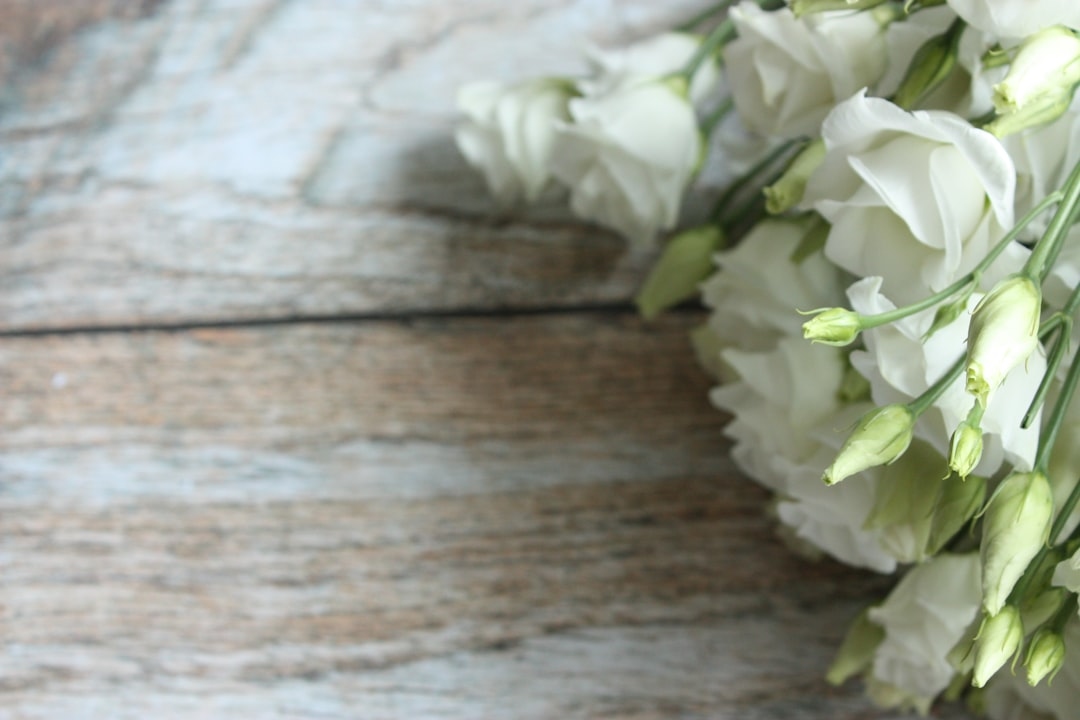
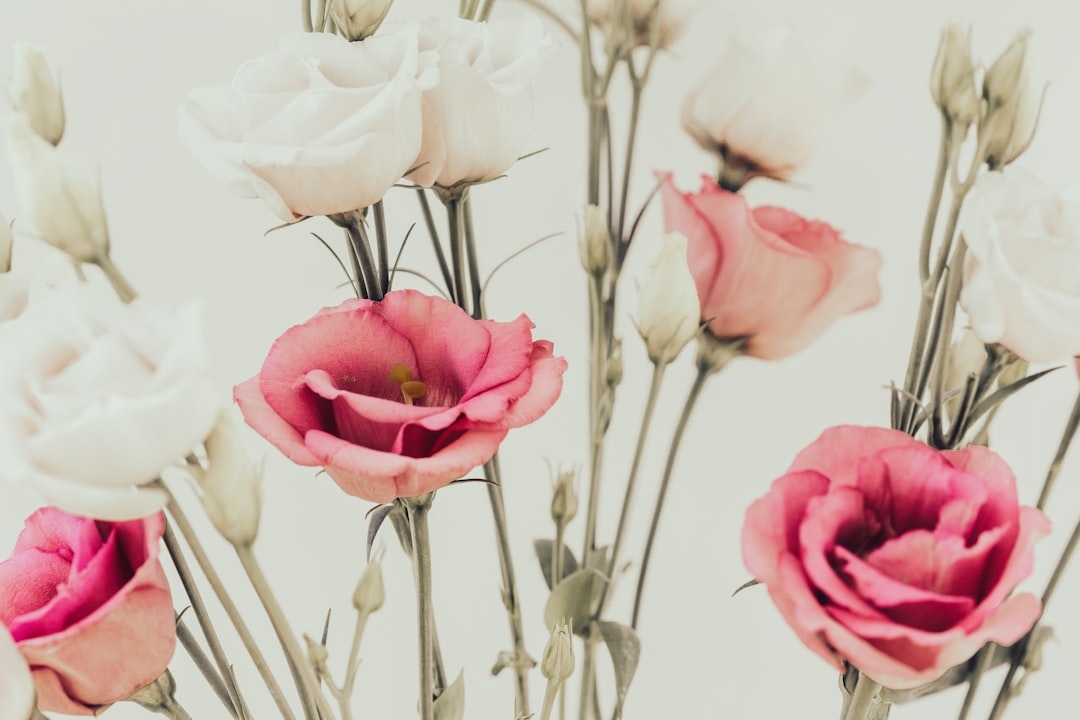
A single lisianthus stem can look like a whole bouquet: silky, swirling petals, elegant green buds, and a color range that puts most flowers to shame. Called “the rose of the prairies,” lisianthus has a reputation in the floral world for drama, staying power, and near-constant requests from wedding clients. Yet, many Americans have never heard the name–or are surprised to find they’re not actually roses at all.
What Are Lisianthus? (Quick Answer)
Lisianthus (Eustoma grandiflorum) are soft-petaled, cup-shaped flowers native to North American prairies. Known for their striking similarity to roses, they feature layered, ruffled blooms in white, pink, purple, blue, and even bicolor. Popular for weddings and long-lasting bouquets, lisianthus are prized by florists for their vase life (up to two weeks), romantic look, and availability year-round in the US.
The Story Behind Lisianthus: Origins, Name, and History
Walk into a flower shop in New York or Los Angeles, and you’ll likely see lisianthus tucked beside peonies or garden roses. But their roots (literally) stretch into the dry grasslands of Texas and Nebraska. In the wild, lisianthus plants survive harsh sun, wind, and unpredictable rain–traits that make them powerhouses in cultivation.
The Name Game
The scientific name, Eustoma grandiflorum, translates to “beautiful mouth, large-flowered” (from Greek eu- “good” + stoma “mouth”). Their common name, lisianthus, comes from an old genus label (Lisianthus russellianus), still widely used by florists and growers.
A quick list of other names for lisianthus:
- Prairie gentian
- Texas bluebell
- Showy prairie gentian
Lisianthus in the Floral Industry
Bethany Kim, lead designer at Seattle-based UrbanStems (est. 2014), says, “Lisianthus is one of our top five most requested stems for wedding work in 2026–customers love that romantic, wildflower feel.” According to SAF (Society of American Florists) data, US wholesale imports of lisianthus increased by 18% between 2019 and 2025, thanks to demand for longer-lasting, garden-style arrangements.
What Makes Lisianthus Unique?
Lisianthus stands apart from other cut flowers in several ways. Yes, they’re gorgeous, but florists and home growers love them for their resilience and subtle surprises.
Vase Life
Unlike peonies (which last just 5-7 days), lisianthus can look fresh for 10-14 days–sometimes longer, if you change water daily and snip stems every few days. This makes them a staple for flower delivery services like The Bouqs Co. or Whole Foods Market floral sections.
Color Variety
Few flowers offer such an extensive palette. Available in shades from creamy whites and blush pinks to deep violets and even lime green, lisianthus can match nearly any color scheme. In 2026, breeders like Ball Horticultural Company and Sakata Seed America release new varieties every year, adding more unique bicolors and double-petaled (rose-like) forms.
“Lisianthus is unbeatable for subtle, nuanced color–especially in pastel bouquets,” says Maria Torres, head grower at Mountain Prairie Flowers, Colorado. “Our ‘Rosanne Green’ variety is a showstopper at $2.50 per stem wholesale.”
Bloom Structure
A single stem often holds multiple buds in various stages–tight, half-open, fully ruffled. This “built-in bouquet” effect makes arrangements look fuller, even with fewer stems.
Growing Lisianthus in the US: Challenges and Tips
Lisianthus is notorious among growers for being both rewarding and demanding. This isn’t a pop-it-in-the-ground marigold. If you see field-grown lisianthus at your local farmer’s market, you’ve found a grower with patience (and likely, a heated greenhouse).
Climate Considerations
Native to the southern US, lisianthus loves warmth but hates sudden cold snaps. US Department of Agriculture hardiness zones 8-10 are ideal for outdoor growing, but northern growers often use greenhouses.
- Lisianthus prefers well-drained soil and lots of sun (minimum 6 hours per day).
- Seedlings are notoriously slow, requiring up to 5 months from sowing to bloom.
- Most commercial US growers buy plugs (young starter plants) from suppliers like Gloeckner or Ball Seed, priced around $0.60-$1.25 per plug.
Water and Fertilizer
Too much water can cause root rot–lisianthus are adapted to drier prairies. Drip irrigation and cautious feeding (balanced 10-10-10 fertilizer) are standard. Florist Chris Beck of Atlanta’s Beck and Bloom notes, “If you’re growing lisianthus at home, avoid overhead watering which can lead to fungal issues. Bottom watering is safest.”
Pest and Disease
Lisianthus resists pests better than roses or zinnias but can be vulnerable to aphids and fungal leaf spot. In the US, organic growers opt for neem oil or beneficial insects rather than harsher chemicals.
Lisianthus vs. Roses: A Side-by-Side Comparison
Florists reach for lisianthus as a “rose substitute” all the time–but they’re not interchangeable. Here’s a quick breakdown:
| Feature | Lisianthus | Roses |
|---|---|---|
| Botanical Name | Eustoma grandiflorum | Rosa spp. |
| Native Region | Southern US, Mexico, Caribbean | Asia, Europe, North America |
| Vase Life | 10-14 days | 7-10 days |
| Fragrance | Very mild (almost scentless) | Often strongly scented |
| Stem Structure | Multiple buds per stem | Usually one bloom per stem |
| Thorns | None | Usually present |
| Price (US, 2026) | $2-$4 per stem (retail) | $3-$6 per stem (retail) |
Pull-quote:
“Lisianthus offers the romance of roses, but with a lightness and airiness you can’t get from traditional rose stems.”
Using Lisianthus in Arrangements
Lisianthus isn’t limited to bouquets for brides–they work equally well for birthdays, sympathy arrangements, and “just because” gifts.
Wedding and Event Design
In 2026, lisianthus pops up in:
- Bridal bouquets (often as a main flower in boho or “garden-style” designs)
- Boutonnieres and corsages (thanks to sturdy, slim stems)
- Centerpieces–especially “meadow” or “wildflower” looks
Yarrow, eucalyptus, scabiosa, and ranunculus pair beautifully with lisianthus for layered, modern-country arrangements.
Everyday Bouquets
Flower delivery brands like UrbanStems and The Bouqs Co. feature lisianthus in everyday arrangements, especially during summer and early fall. At Trader Joe’s floral section, a mixed bunch with lisianthus runs $7.99-$14.99 (2026 prices), making them accessible for casual gifting.
How to Care for Cut Lisianthus
Want to keep those ruffled blooms looking gorgeous? Here’s a fast care guide:
- Trim Stems: Cut at a sharp diagonal, 1-2 inches from the bottom, before placing in water.
- Water Changes: Replace water every 2-3 days; clean the vase each time.
- Remove Leaves: Strip any foliage that will sit below the waterline to prevent bacteria.
- Placement: Keep out of direct sunlight and away from ripening fruit (which emits ethylene gas, speeding decay).
- Use Flower Food: The packets included from most US delivery services (like FTD or 1-800-Flowers) can almost double vase life.
Where to Buy Lisianthus in the US
Not every grocery store carries lisianthus, but their popularity is rising fast. Look for them at:
- National chains: Whole Foods, Trader Joe’s, Wegmans
- Flower delivery services: UrbanStems, The Bouqs Co., ProFlowers
- Local florists: Order by stem or request in custom arrangements (expect $2-$4 per stem retail)
- Farmers’ markets: Peak season is June through September for US field-grown blooms
Online buyers can request lisianthus for next-day delivery in most major US cities. Bulk orders (for events) run $70-$100 per bunch (10 stems).
FAQ: Lisianthus Answered
How long do lisianthus flowers last in a vase?
Lisianthus typically last 10 to 14 days in a vase if water is changed regularly, stems are trimmed, and vase is kept clean. Using flower food and keeping flowers cool will extend their vase life.
Are lisianthus poisonous to pets?
Lisianthus is considered non-toxic to cats and dogs according to the ASPCA. However, eating large amounts of any ornamental flower can cause mild stomach upset.
Can I grow lisianthus from seed at home?
Yes, but lisianthus seeds are very slow to germinate and require warmth, light, and patience. Most home growers start with purchased plugs since seeds can take 5-6 months to reach flowering size.
Do lisianthus have a scent?
Lisianthus has a very mild, almost imperceptible scent–far less noticeable than roses or lilies. They are a good choice for people sensitive to strong fragrances.
Why are lisianthus more expensive than other flowers?
Lisianthus are pricier due to their long growing period, sensitivity during propagation, and relatively low yield per plant. Farm labor and climate control also add to the cost, especially for US-grown blooms.
Ready to Try Lisianthus?
Whether you’re a home gardener itching for a challenge, a bride searching for the perfect bouquet, or just craving something a step beyond standard roses–lisianthus brings elegance and longevity to any arrangement. Ask your local florist for their favorite variety, or add a bunch to your next grocery run. Don’t be surprised when you start seeing their trademark swirl everywhere–2026 might just be the year lisianthus steals the show.