Contents:
- What Is Freesia? (Featured Snippet)
- Freesia at a Glance
- Why Florists Love Freesia
- Freesia Varieties and Colors
- Growing Freesia at Home
- Planting Basics
- Tips for Success
- Caring for Cut Freesia
- How to Maximize Vase Life
- Table: Freesia Vase Life vs. Other Common Flowers
- Freesia in Weddings, Gifts, and Everyday Arrangements
- Symbolism and Occasions
- How US Florists Use Freesia
- Sourcing Freesia in the United States
- Where to Buy
- FAQ: All About Freesia
- How long does freesia last in a vase?
- Is freesia available year-round in the United States?
- Are freesia flowers toxic to pets?
- Can I grow freesia indoors in colder climates?
- What does freesia smell like?
- Try Freesia This Season
Everything You Need to Know About Freesia
Picture a vase on your kitchen table, sunlight streaming through the window, delicate blooms sending out a sweet, citrusy fragrance that makes you smile every time you walk by. Chances are, those stems are freesia. Unpretentious yet striking, freesia has quietly become a florist favorite and a top pick for American home bouquets and weddings. But there’s much more to this flower than its perfume.
What Is Freesia? (Featured Snippet)
Freesia is a genus of flowering plants in the iris family, native to South Africa and widely appreciated for its colorful, funnel-shaped blooms and intense, sweet scent. Typically available in white, yellow, pink, red, lavender, and purple, freesia’s stems bear several blossoms, each opening in succession to provide a long vase life. In the U.S., freesia is favored for bouquets, wedding arrangements, and garden planting thanks to its beauty, fragrance, and symbolism of trust and friendship.
Freesia at a Glance
- Botanical name: Freesia spp.
- Family: Iridaceae (Iris family)
- Origin: South Africa
- Popular colors: White, yellow, pink, red, lavender, purple, orange
- Scent: Sweet, citrusy, sometimes spicy
- Bloom season: Late winter through spring (indoors); spring/summer (outdoors)
- Availability: Year-round (through US wholesalers such as Mayesh and Florabundance)
- US price (2026): $2-$4 per stem retail; $12-$25 for small bouquets on FreshSend, UrbanStems, or local florists
Why Florists Love Freesia
Freesia’s fan club includes everyone from DIY-ers to high-end floral designers. According to Jessica Lingle, lead designer at the New York Flower Project, “Freesia is the Swiss army knife of flowers: delicate on its own, versatile in mixed bouquets, and a favorite for clients who want scent.” Its lasting power also wins points–freesia can stay fresh in a vase for 7-12 days, significantly longer than average cut blooms.
Most stems feature 5 to 10 flowers, and the buds don’t all open at once. That means you’ll get new blooms every few days, extending enjoyment. Freesia is also well-suited for mixed arrangements because its upright stems add structure and a sense of movement.
Here’s what sets freesia apart for florists and home arrangers:
- Long vase life: Consistently 7-12 days at room temperature
- Fragrance: Distinctive, especially noticeable in closed rooms
- Color variety: Complements most palettes, from classic white to bold brights
- Symbolism: Historically associated with trust, friendship, and innocence
- Resistant to ethylene gas: Freesia lasts longer than many flowers placed near fruit or in mixed display cases
A fun detail: According to 2024 data from the Society of American Florists, freesia was one of the top three most requested “accent flowers” for wedding bouquets, trailing only behind waxflower and eucalyptus.
Freesia Varieties and Colors
Not all freesia are created equal. While standard Freesia alba or Freesia refracta dominate the U.S. wholesale market, hundreds of cultivars exist, each bred for bigger blossoms, richer colors, or enhanced perfume. Some of the showiest modern varieties include:
- Freesia ‘Snowdon’ – Pure white, classic for weddings
- Freesia ‘Royal Blue’ – Deep violet-blue, rarely seen except in specialty shops
- Freesia ‘Golden Yellow’ – Vibrant and sunny, excellent for spring
- Freesia ‘Red River’ – Vivid scarlet, a bit harder to find
- Multi-colored hybrids – Bicolor petals (white/pink, purple/yellow)
While white and yellow remain the top sellers for American florists (accounting for almost 50% of all U.S. freesia sales in 2025, per Flowers & Trends Magazine), demand for ‘millennial pink’ and lavender continues to rise for modern arrangements.
“Freesia brings a twist of nostalgia to contemporary designs, especially when mixed with ranunculus or lisianthus.”
–Tyler Sheets, owner, Sheets Floral Co., Los Angeles
Growing Freesia at Home
Planting Basics
Freesia grows from small, corm-like bulbs that are easy to plant in beds or pots. In USDA zones 9-10 (think southern California or Florida), they’ll return year after year outdoors. For everyone else, they’re generally treated as annuals or grown indoors.
- When to plant: Outdoors, plant corms in late fall (October-November) in frost-free regions. Indoors, plant any time for winter bloom.
- Light: Bright indirect sun or morning sun; avoid harsh afternoon rays.
- Soil: Well-draining, slightly acidic (pH 6.0-7.0)
- Spacing: 2 inches apart, 2 inches deep
- Water: Keep consistently moist but not soggy
Tips for Success
- Soak corms overnight before planting to speed sprouting
- Indoor pots should be at least 6 inches deep for root development
- Stake stems if they grow leggy under low light
According to Dr. Melanie Carter, horticulturist at Rutgers University, “Freesia corms sold in the U.S. are often pre-chilled for early blooms. Planting in October can get you flowers by February or March indoors.”
Caring for Cut Freesia
Whether you picked up a $15 freesia bouquet from Whole Foods or received a hand-tied arrangement via 1-800-Flowers, getting the most from your stems is simple. Freesia is famously sensitive to ethylene gas (produced by ripening fruits or some other flowers) but, paradoxically, much less than tulips or daffodils.
How to Maximize Vase Life
- Trim stems at an angle (1/2 inch) before placing in clean water.
- Remove any foliage that will sit below the waterline–this prevents bacterial growth.
- Use a commercial flower food with a low-sugar content; freesia prefers less sweetness than roses.
- Change water every two days, re-trimming as needed.
- Keep away from direct heat, fruit, and drafts.
“Freesia drinks more than it looks–keep an eye on the water level or they’ll wilt overnight.”
–Selena Brooks, floral educator, Chicago
Table: Freesia Vase Life vs. Other Common Flowers
| Flower | Typical Vase Life (days) | Scent Level | Ethylene Sensitivity |
|---|---|---|---|
| Freesia | 7-12 | High | Low |
| Tulip | 5-7 | Low | High |
| Rose | 7-10 | Moderate | Moderate |
| Lily | 7-14 | High | Low |
Freesia in Weddings, Gifts, and Everyday Arrangements
Symbolism and Occasions
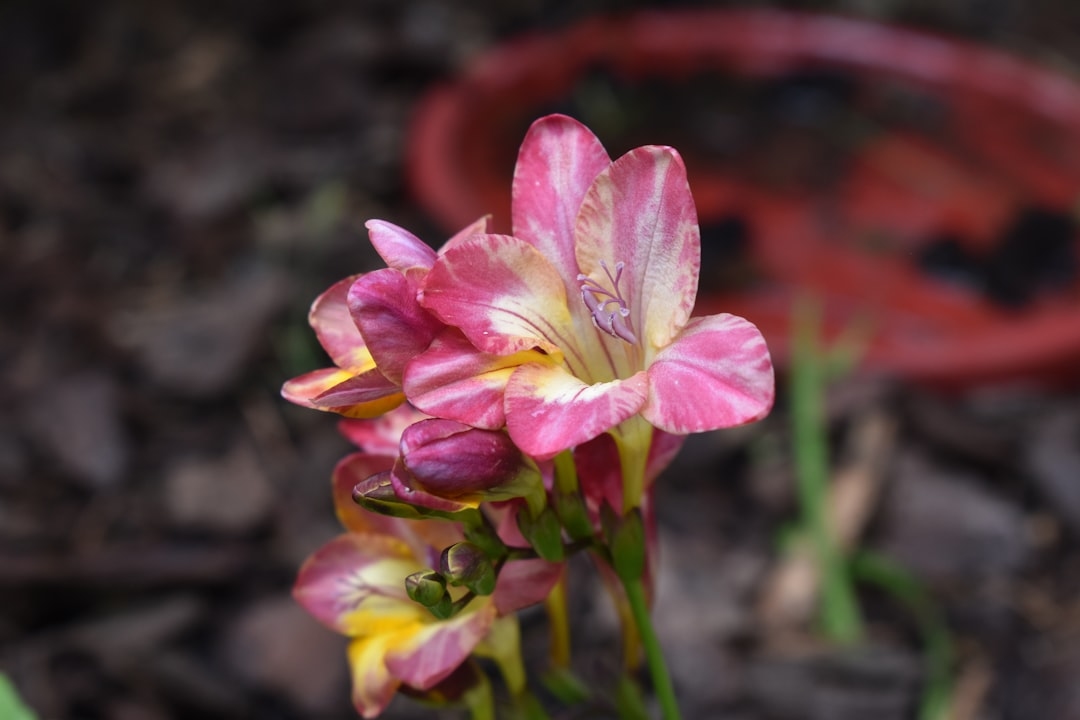
In the language of flowers, freesia symbolizes trust, friendship, and innocence–making it a go-to for milestone events. American couples often choose freesia for 7th wedding anniversaries and for bridesmaids’ bouquets. With its long stems and sweet perfume, it features in:
- Bridal bouquets (especially modern, garden-style)
- Corsages and boutonnieres
- Sympathy sprays (white freesia especially)
- Get-well and new baby bouquets
- Table centerpieces–mixed with tulips, ranunculus, or roses
How US Florists Use Freesia
Major online florists like UrbanStems, The Bouqs, and even ProFlowers include freesia in arrangements year-round. In 2026, basic arrangements with freesia start at about $15-$20 for a compact bouquet, while luxury designs may run $45-$70+.
Anecdotally, Jennifer Wu of Petal & Stem (San Francisco) notes, “Clients who grew up around freesia flowers in their grandmother’s gardens light up when they smell them–it’s a memory trigger.”
Sourcing Freesia in the United States
Most fresh-cut freesia sold in U.S. grocery stores and wholesaler markets is imported from the Netherlands, Colombia, or California. Dutch greenhouses supply the majority of bulbs for home gardeners, while commercial growers like Ball Horticultural in California produce for the domestic florist market.
Where to Buy
- Wholesale (for florists): Mayesh, Florabundance, FiftyFlowers
- Retail (for home use): UrbanStems, The Bouqs, Whole Foods Market, Trader Joe’s
- Bulbs: Breck’s Bulbs, Eden Brothers, DutchGrown
- Local farms: Check state farmer’s markets for seasonal potted freesia in spring
Current 2026 pricing for cut freesia is up about 5% from 2024, reflecting transport costs and higher labor rates. As of March 2026, a typical U.S. bodega bouquet with freesia will include 3-5 stems and retail for about $12-$18.
FAQ: All About Freesia
How long does freesia last in a vase?
Freesia typically lasts 7 to 12 days in a vase with proper care. Frequent water changes and cool room temperatures can help maximize vase life.
Is freesia available year-round in the United States?
Yes, thanks to imports from the Netherlands and South America, freesia is available year-round in the US. Peak domestic availability is early spring to summer, coinciding with California and Florida harvests.
Are freesia flowers toxic to pets?
Freesia is considered non-toxic to dogs and cats, according to the ASPCA, making it a safe choice for pet owners compared to lilies or tulips.
Can I grow freesia indoors in colder climates?
Absolutely. Freesia corms can be potted and grown indoors in any USDA zone. Use a sunny window or grow lights, and expect blooms in about 12-16 weeks after planting.
What does freesia smell like?
Freesia’s scent is often described as sweet, fresh, and citrusy, with hints of honey and spice. Some varieties are more intensely perfumed than others.
Try Freesia This Season
Next time you’re choosing fresh flowers–whether for a gift, a party, or just your own countertop–toss a handful of freesia stems into the mix. Their fragrance is an instant mood-lifter, and the blooms linger far longer than first impressions suggest. If you’re up for a little gardening adventure, order some corms and nurture a pot on your sunny windowsill. In a world that’s always moving, freesia offers a pocket of calm, color, and old-fashioned charm–right in your own hands.