Contents:
- Quick Facts: Chrysanthemums at a Glance
- The Botanical Basics of Mums
- Origins and Classification
- Anatomy of a Chrysanthemum
- Why Chrysanthemums Are So Popular in the US
- Versatility in Floristry
- Hardiness for Home Gardens
- Pricing & Availability
- Types of Chrysanthemums You’ll Find
- How to Grow and Care for Chrysanthemums
- Garden Planting Tips
- Water and Feeding
- Pinching and Pruning
- Winter Protection
- Chrysanthemums in Floristry: Trends and Tips (2026)
- Current Color Trends
- Best Practices for Arrangements
- The Deeper Meaning: Chrysanthemum Symbolism
- Common Pests, Problems, and Solutions
- US Regional Issues
- Disease-Resistant Varieties
- FAQ: Chrysanthemums
- What is the best time to plant chrysanthemums in the US?
- Are chrysanthemums annuals or perennials?
- How long do cut chrysanthemums last in a vase?
- Are chrysanthemums toxic to pets?
- Can chrysanthemums survive winter outdoors?
- The Next Step: Bring Chrysanthemums Into Your Life This Year
Everything You Need to Know About Chrysanthemums
Walk into any American supermarket in October, and you’ll spot them: bushels of chrysanthemums blazing in copper, magenta, and cream near the doors, an unmistakable badge of fall. But those vibrant blooms–known widely as “mums”–hold more stories than most folks suspect. Beloved for centuries in East Asia, used in everything from funeral rites to green tea, and now a $150 million crop annually in the US, chrysanthemums have a cultural and horticultural footprint as colorful as their petals.
Quick Facts: Chrysanthemums at a Glance
What is a chrysanthemum?
A chrysanthemum (or “mum”) is a flowering plant from the Asteraceae family, native to Asia and northeastern Europe. Known for their dense, showy blooms in a kaleidoscope of shapes and hues, chrysanthemums are a top pick for gardens, floral arrangements, and potted gifts in the US.
Bloom Season:
Late summer through fall (August – November in the US)
Common Varieties:
Garden mums (Chrysanthemum × morifolium) and Florist mums (Chrysanthemum × morifolium, bred for cut flowers)
Price (2026, US):
Supermarket 6-inch potted mum: $8-$15
Florist-grade cut stems: $3-$7 per stem
US Commercial Production:
Over 32,000 acres harvested in 2025 (USDA Floriculture Crops Report, 2026)
The Botanical Basics of Mums
Origins and Classification
Chrysanthemums hail from China, with records of cultivation stretching back to the 15th century BCE. Over centuries, Japanese growers refined them into the cloud-like, multi-petal forms seen in today’s gardens and bouquets.
There are around 40 wild species and thousands of cultivars, but American gardeners typically encounter:
- Hardy (Garden) Mums: Survive winters in USDA Zones 5-9; grown outdoors.
- Florist Mums: Less cold-tolerant; bred in greenhouses for cut flowers or potted gifts.
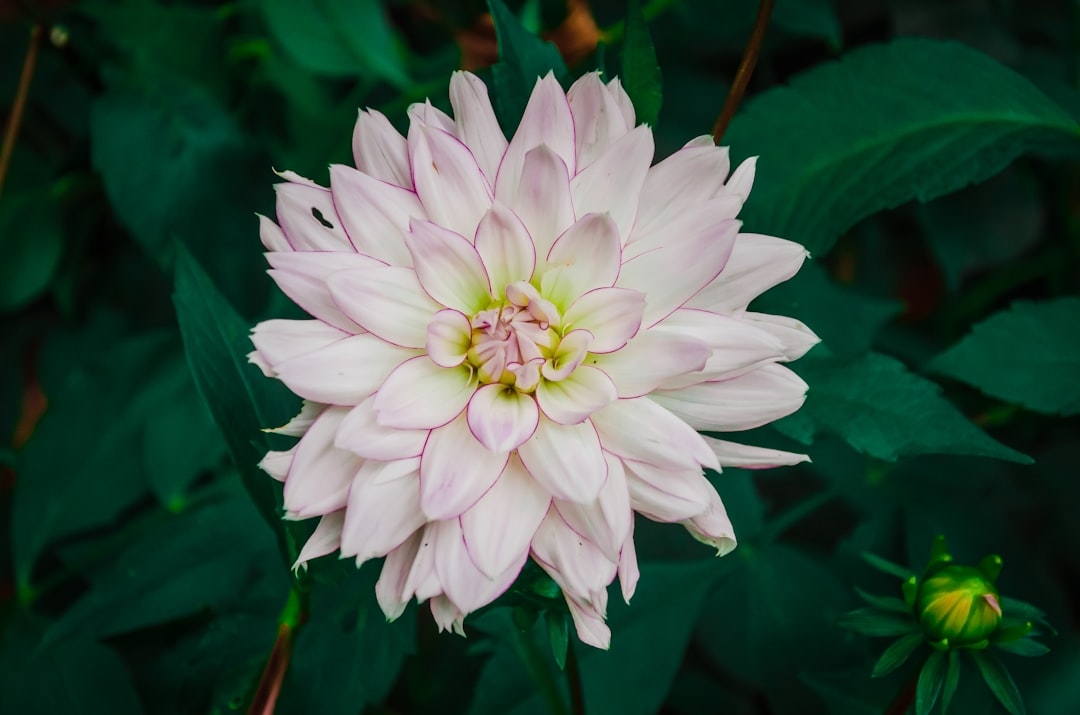
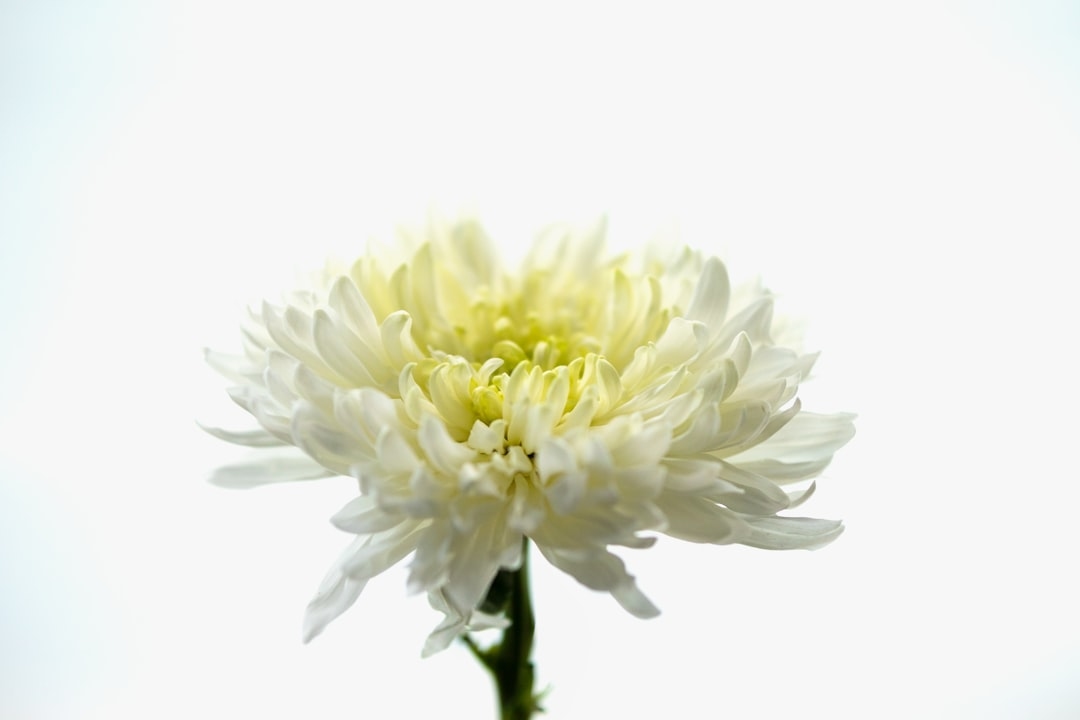
Each variety can look dramatically different. Some have a daisy-like profile, while others sport spidery petals or tight, ball-shaped blooms.
“Chrysanthemums are as varied as snowflakes–no two are exactly alike,” says Rachel Hart, head horticulturist at New England Blooms and a 2026 All-America Selections judge.
Anatomy of a Chrysanthemum
- Ray florets: The “petals,” actually individual flowers.
- Disk florets: Tiny, central flowers (bigger in daisy mums).
- Leaves: Deeply lobed, aromatic when crushed.
Why Chrysanthemums Are So Popular in the US
Versatility in Floristry
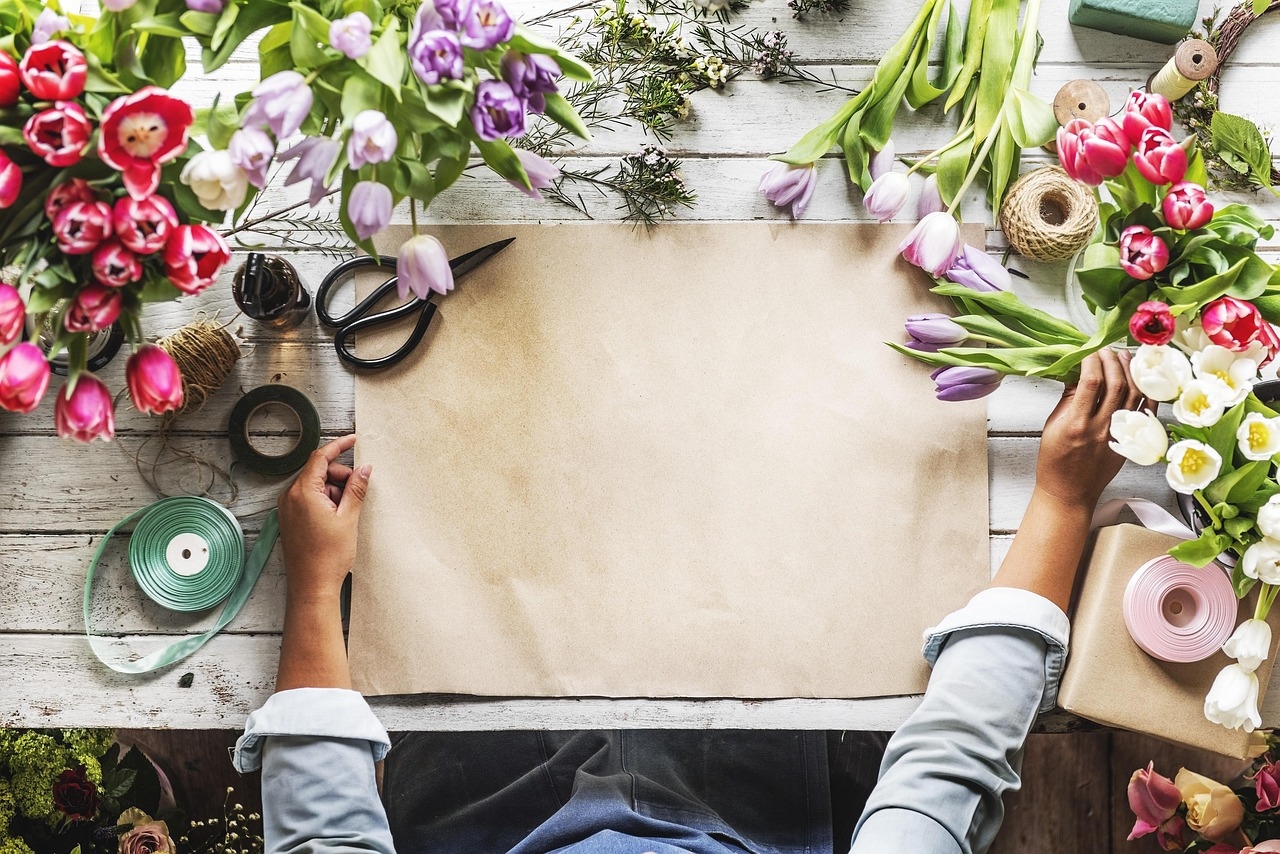
Mums star in arrangements ranging from farm-fresh mason jar bouquets to sleek, contemporary displays. Their vase life is legendary: up to 21 days with proper care, twice as long as peonies or tulips. That’s part of why US florists like Teleflora and 1-800-Flowers feature mums in nearly every fall and Thanksgiving bouquet.
Hardiness for Home Gardens
Unlike fleeting annuals, most garden mums return year after year if planted early enough (by mid-September in most of the US). They’re unbothered by deer, tolerate some neglect, and flower profusely–a rare trifecta.
Top 3 Uses in American Homes:
- Porch Pots: Easiest fall decoration, minimal maintenance.
- Cut Flower Arrangements: Affordable, long-lasting color for tables or events.
- Perennial Borders: Reliable bursts of color when most summer flowers fade.
Pricing & Availability
According to the 2026 USDA Floriculture Crops Report, chrysanthemums are the top-selling fall bedding plant. Six-inch pots go for $8-$15 at big-box retailers (like Lowe’s and Home Depot) and $12-$20 from specialty nurseries. Cut mums, especially imported spider and disbud types from Ecuador and Colombia, retail at $3-$7 per stem in US florist shops.
Types of Chrysanthemums You’ll Find
| Type | Common Name | Best Use | Notable Varieties |
|---|---|---|---|
| Garden Mums | Hardy Mums | Outdoor, pots | ‘Mammoth Daisy’, ‘Clara Curtis’ |
| Florist Mums | Cutting Mums | Bouquets | ‘Viking’, ‘Reagan’ |
| Spider/Spoon/Quill Mums | Specialty Exhibition | High-end arrangements | ‘Seaton’s Galaxy’, ‘Anastasia’ |
| Cushion Mums | Cushion Mums | Borders, mass plant | ‘Ruby Mound’, ‘Cheryl Pink’ |
| Pompon/Ball | Button Mums | Centerpieces | ‘Moonbeam’, ‘Yoko Ono’ |
Pull-quote:
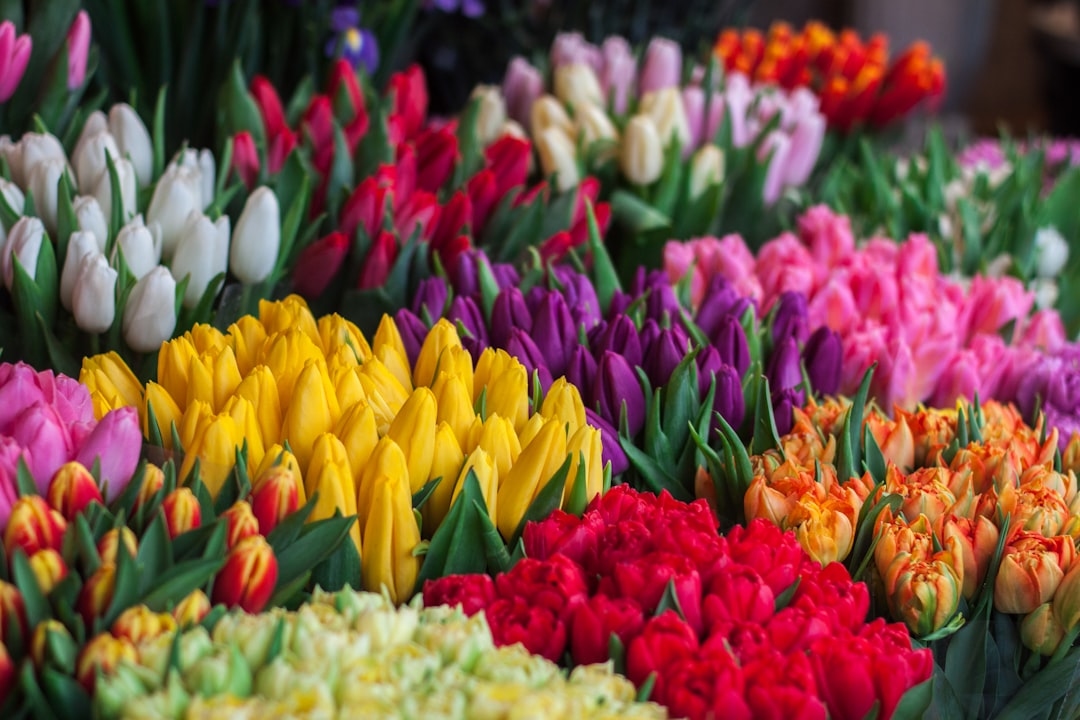
“For sheer diversity, no fall flower can outdo the chrysanthemum. There’s a mum for every mood and every vase.”
– Miguel Torres, owner of Austin Flower Co.
How to Grow and Care for Chrysanthemums
Garden Planting Tips
- Planting Time: Mid-April through early June (spring), or by mid-September at the latest.
- Spacing: 18-24 inches apart for most varieties.
- Soil: Well-draining, enriched with compost or slow-release fertilizer.
- Light: Full sun (at least 6 hours/day).
“Early planting is the ticket for winter survival,” says Dr. Janet Kim, Senior Plant Scientist at Michigan State University. “Planting late–October or after–often means mums don’t root deeply enough before frost.”
Water and Feeding
- Water: 1-2 inches per week; avoid soggy soil.
- Fertilizer schedule: Every 4-6 weeks with a balanced, slow-release product (like Osmocote 14-14-14) from spring through early August.
Pinching and Pruning
- Pinch back new growth: When stems reach 6 inches, pinch to encourage bushiness.
- Stop pinching: By July 15 in the Midwest/Northeast, or they may bloom late.
Winter Protection
In USDA Zones 5-7, mulch heavily after ground freezes; straw, pine needles, or shredded leaves work well. In colder regions, treat as annuals or overwinter in sheltered pots.
Chrysanthemums in Floristry: Trends and Tips (2026)
Current Color Trends
Mums aren’t just orange and yellow anymore. In 2026, trending shades include:
- Antique pinks (like ‘Café au Lait’ and ‘Opalo’)
- Rich burgundies
- Dusty lilacs
- Neon greens (‘Anastasia Green’ is exploding on Instagram)
Celebrity florist Monica Lee, who created this year’s White House Thanksgiving display, says,
“We’re using mums everywhere–weddings, corporate events, you name it. The varieties coming out of Dutch breeders are unreal.”
Best Practices for Arrangements
- Cut at a 45° angle and strip lower leaves
- Use clean, sharp shears and change water every 2-3 days
- Mix with eucalyptus, autumn leaves, or viburnum berries for texture
Florists love combining “disbud” mums (single, large blooms per stem) with classic “spray” mums for depth and variety in a single arrangement.
The Deeper Meaning: Chrysanthemum Symbolism
In the US, mums mean simple fall joy, but worldwide the story is more complex.
- United States: Positivity, celebration, longevity (especially yellow or bronze mums)
- East Asia: Nobility and long life; the official flower of November in Japan, where the Imperial Seal is a chrysanthemum.
- Europe: Remembrance and mourning (especially in France, where mums are placed on graves for All Saints’ Day)
Florists sometimes include white mums in sympathy or funeral tributes, but for American birthdays or Mother’s Day, bright multi-colored arrangements are much more common.
Common Pests, Problems, and Solutions
US Regional Issues
- Powdery Mildew: Common in humid southern states; plant with good air circulation and avoid overhead watering.
- Aphids & Leafminers: Use insecticidal soap or dilute neem oil.
- Root Rot: Main issue in the Midwest with heavy clay soils–always use raised beds or containers.
Disease-Resistant Varieties
University-bred mums like ‘Grandchild’, ‘Fireglow’, and ‘Ruby Mound’ have proven resistance to leaf spot and mildew in field trials at Oklahoma State (2024-2025 data).
FAQ: Chrysanthemums
What is the best time to plant chrysanthemums in the US?
Spring (April-June) is best. For established potted mums, plant by mid-September so roots can settle before frost.
Are chrysanthemums annuals or perennials?
Most are perennials (especially “garden mums”) but are often grown as annuals outside Zones 5-9.
How long do cut chrysanthemums last in a vase?
With clean water and flower food, cut mums typically last 14-21 days–among the longest for any cut flower.
Are chrysanthemums toxic to pets?
Yes. The leaves and flowers can cause drooling, vomiting, or diarrhea in dogs and cats, according to the ASPCA.
Can chrysanthemums survive winter outdoors?
In USDA Zones 5-9, garden mums can survive winter if planted early and mulched well. In colder zones, treat as annuals or bring potted plants inside.
The Next Step: Bring Chrysanthemums Into Your Life This Year
Instead of defaulting to pumpkins and gourds, snag a few pots of garden mums or try arranging specialty cut mums from your local florist. Experiment with colors outside the usual autumn palette–dusty mauve, chartreuse, or snowy white. Want to go deeper? Seek out regional mum shows (try the National Chrysanthemum Society’s annual exhibition) or plant a perennial border for next fall. No matter your space or style, there’s a chrysanthemum to brighten your season.