Contents:
- Scannable Answer: What is Amaryllis? (Quick Facts)
- Why Amaryllis Dominates the Winter Flower Scene
- Amaryllis vs. Other Winter Flowers
- The Amaryllis Backstory: Origins, Varieties, and Naming Confusion
- Popular Amaryllis Varieties in the US (2026)
- Growing Amaryllis: How to Get Blooms Indoors (and Outdoors)
- Step-by-Step Indoor Amaryllis Forcing
- Outdoor Planting in Warm US Regions
- Aftercare for Repeat Blooming
- Designing with Amaryllis: Florist Secrets for Maximum Impact
- Cut Flower Magic
- Home Décor Ideas
- Amaryllis in Weddings and Events
- Amaryllis Care Tips from the Pros
- Light, Water, and Temperature
- Common Problems and Solutions
- Where to Buy Amaryllis Bulbs and Supplies (2026 US Market)
- Amaryllis: Sustainability and Trends in 2026
- Frequently Asked Questions About Amaryllis
- How long does amaryllis bloom indoors?
- Are amaryllis bulbs poisonous to pets?
- Can I plant amaryllis outside in my garden?
- My amaryllis only grew leaves–no flowers. What happened?
- How do I store amaryllis bulbs for next year?
- Try Amaryllis This Year–And Grow Again Next Winter
Everything You Need to Know About Amaryllis
A single amaryllis bloom can stop you in your tracks with its bold, trumpet-shaped flowers–often unfurling in the dead of winter when gardens lie dormant. This South American native, now a staple in US homes and florist shops, has developed a cult following for its striking beauty, its simple indoor growth, and its starring role in holiday décor. But amaryllis is more than a one-season wonder. Here’s a full-spectrum guide to amaryllis–cultivation, varieties, care tips, design ideas, and expert secrets that will help you make the most of this show-stopping flower year-round.
Scannable Answer: What is Amaryllis? (Quick Facts)
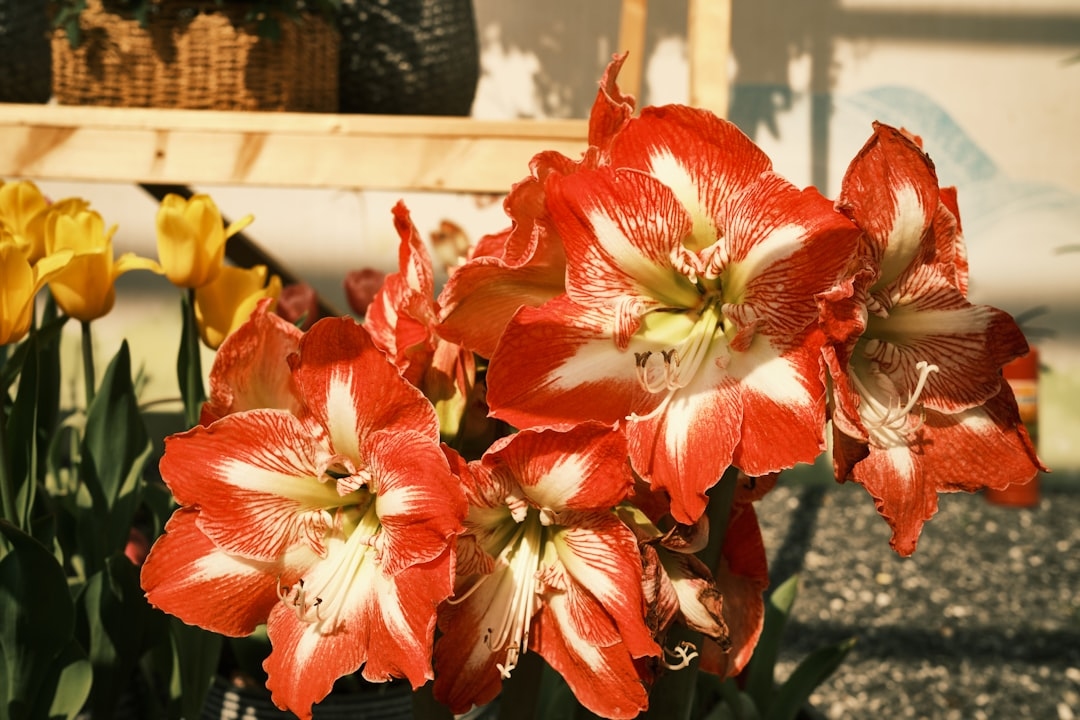
Amaryllis is a flowering bulb (genus Hippeastrum) known for its large, colorful blooms that appear indoors in winter and outdoors in late spring. Typically grown as a houseplant in the US, amaryllis bulbs are easy to force–requiring just water, light, and a little patience. Flowers come in shades of red, white, pink, salmon, and bicolor. Each bulb usually produces one to three sturdy stems, each with two to six blossoms. Amaryllis grows from a dormant bulb 3-4 inches across and reaches heights of 12-24 inches.
Why Amaryllis Dominates the Winter Flower Scene
Imagine hosting a December brunch in Chicago or Seattle. Outside, everything is gray and bare. But inside, a pot of amaryllis glows like a beacon, its oversized scarlet blooms rivaling any poinsettia for attention. In the US, nearly 10 million amaryllis bulbs are sold annually, according to the National Gardening Association–most between October and January. They’re second only to poinsettias for winter decoration, but unlike poinsettias, which can be fussy, amaryllis is robust, forgiving, and reusable.
Amaryllis vs. Other Winter Flowers
| Feature | Amaryllis | Poinsettia | Paperwhite Narcissus |
|---|---|---|---|
| Bloom Time | 4-8 weeks | 2-6 weeks | 3-6 weeks |
| Reusability | High | Moderate | Low |
| Fragrance | None | None | Strong |
| Toxicity to Pets | Moderate | High | Moderate |
| Cost per bulb | $8-$20 | $5-$30 (pot) | $1-$3 |
“No flower captures the drama of winter as effortlessly as amaryllis. It offers unmatched bloom size and longevity.”
– Emily Rhodes, Lead Florist, Urban Petals NYC
The Amaryllis Backstory: Origins, Varieties, and Naming Confusion
Amaryllis has a bit of an identity crisis. The bulbs you’ll find labeled “amaryllis” in the US are actually Hippeastrum hybrids, bred from wild South American species. True amaryllis (Amaryllis belladonna) is a rare South African bulb, occasionally called the “naked lady.” But Hippeastrum stole the common name thanks to its dazzling indoor performance and easy shipping. Today, more than 600 named Hippeastrum hybrids flood florist catalogs and garden shops.
Popular Amaryllis Varieties in the US (2026)
- ‘Red Lion’: The classic–deep red, huge blooms, big box store favorite.
- ‘Apple Blossom’: Pink and white, soft color transitions, prized for wedding work.
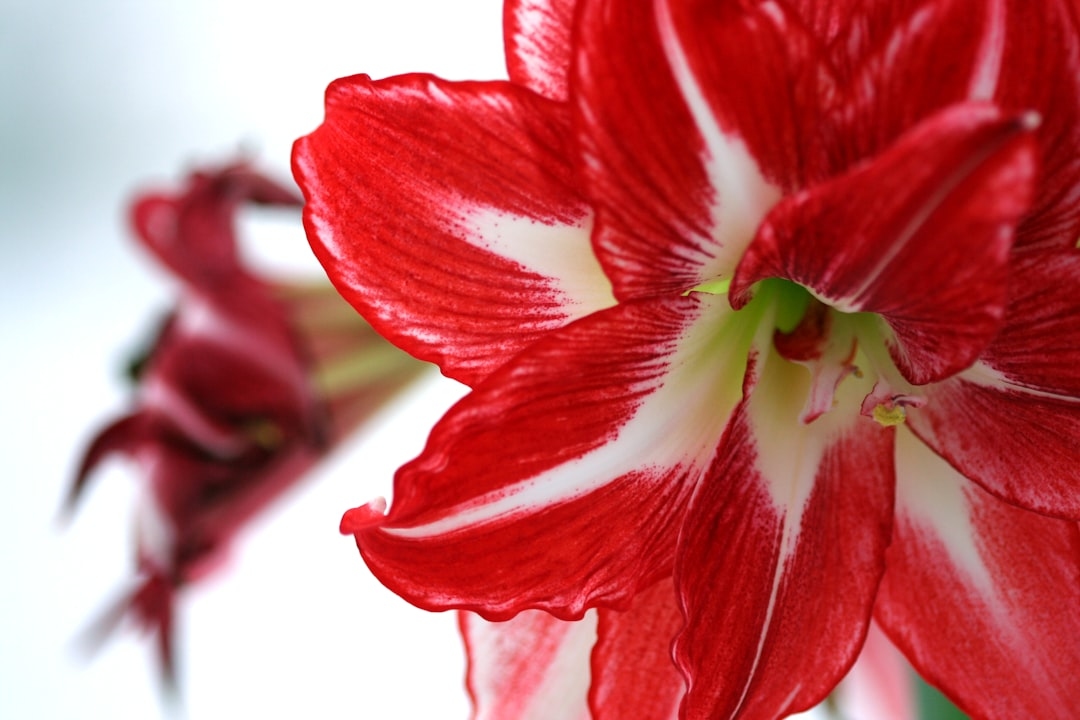
- ‘Minerva’: Bold stripes; red with white star-shaped throat.
- ‘Picotee’: White petals edged in red; rare and elegant.
- ‘Gervase’: Vivid pink brushstrokes, unpredictable variation.
- ‘Double Dragon’: Showy, layered petals for over-the-top arrangements.
Florists in the US now import bulbs primarily from the Netherlands and South America. Premium Dutch bulbs command higher prices ($15-$25 for top-size), but produce larger blooms and more stems per bulb.
Growing Amaryllis: How to Get Blooms Indoors (and Outdoors)
Forcing amaryllis indoors is a holiday tradition, but the bulbs also thrive in USDA Zones 8-10 as garden perennials (think Texas, Florida, southern California). Here’s what you need for lush blooms:
Step-by-Step Indoor Amaryllis Forcing
- Choose a quality bulb. Bigger bulbs yield more stalks–look for bulbs 34-36 cm in circumference.
- Pot up. Use a heavy, well-draining pot; the bulb should sit with its top third above soil.
- Water sparingly at first. Too much water before roots establish can rot the bulb.
- Place in bright light. A sunny window is best (south or west exposure).
- Rotate regularly. This prevents leaning as stems chase the light.
- Support if needed. Tall stems sometimes need stakes.
Expect flowers in 4-8 weeks, depending on the bulb’s pre-chilling and when you start. Keep in moderate warmth (65-75°F).
Outdoor Planting in Warm US Regions
- Plant after the last frost, 12-15 inches apart.
- Amend soil with compost; amaryllis likes rich, loose soil.
- Mulch during heat waves to retain moisture.
- In Zones 8b and up, bulbs naturalize and multiply over years.
Aftercare for Repeat Blooming
- Once blooms fade, snip off flower stalks but leave the leaves.
- Fertilize monthly and keep in bright sun.
- In late summer, let leaves die back naturally, then store bulb cool and dry for 8-10 weeks.
- Repot and water to restart the cycle.
“Don’t toss your amaryllis after it blooms! With proper care, a good bulb can flower every year for a decade or more.”
– Dr. Lucas Mendez, Professor of Horticulture, Michigan State University
Designing with Amaryllis: Florist Secrets for Maximum Impact
Amaryllis isn’t just for pots on the windowsill. Its flowers, sturdy yet elegant, show up in some of the most dramatic holiday centerpieces, modern bouquets, and even wedding arches.
Cut Flower Magic
- Amaryllis stems are hollow–Florists like Julia Tran (Gardenista Brooklyn) recommend inserting rolled chicken wire or a bamboo stick inside the stem to prevent curling.
- Vase life: 7-14 days, sometimes even longer if water is changed daily and stems are trimmed.
- Pairs beautifully with evergreens, berries, eucalyptus, and even roses.
Home Décor Ideas
- Float amaryllis heads in shallow glass bowls for minimalist drama.
- Tie ribbons around stems and display singly in tall, slender vases.
- Mix with pinecones, gold ornaments, and LED lights for instant holiday cheer.
Amaryllis in Weddings and Events
While not as ubiquitous as hydrangeas or peonies, amaryllis is gaining traction with US wedding florists. Their size and color range work for both winter and early spring color palettes.
Amaryllis Care Tips from the Pros
Light, Water, and Temperature
- Light: As much as possible! Amaryllis won’t bloom well in deep shade.
- Water: Keep soil slightly moist but never soggy. Bulbs without roots are prone to rot in wet soil.
- Temperature: They need warmth to get started, but cooler rooms prolong blooms (60-65°F at night).
Common Problems and Solutions
- Leggy stems: Not enough light. Move to a window or supplement with a grow lamp.
- No flowers, just leaves: Bulb didn’t get a chilling period or depleted energy. Give it a full dormancy (cool, dry) next year and fertilize well during the growing season.
- Red blotch (fungus): Appears as reddish streaks or spots. Discard affected bulbs or treat with a fungicide labeled for ornamental bulbs.
Where to Buy Amaryllis Bulbs and Supplies (2026 US Market)
By 2026, more American gardeners are buying amaryllis bulbs online. Top suppliers include:
- White Flower Farm: Premium Dutch bulbs, specialty varieties, $18-$28.
- Jackson & Perkins: Classic and gift kits, $12-$30.
- The Home Depot and Lowe’s: Value packs (3-5 bulbs) for $20-$35, mostly ‘Red Lion’ and ‘Apple Blossom’.
- Amazon and Etsy: Variable quality–check seller ratings and bulb size before ordering.
Florists like UrbanStems and Bouqs offer potted amaryllis for delivery ($45-$85), often paired with decorative pots or gift packaging. For local delivery, check independent flower shops in major US cities; many stock amaryllis from November through March.
Amaryllis: Sustainability and Trends in 2026
With US florists and consumers demanding more sustainable blooms, amaryllis is gaining traction thanks to its long vase life and reusability. According to the 2026 National Horticultural Trends Report, 54% of US houseplant buyers now look for flowers they can “rebloom” or regrow annually–up from just 21% in 2020. Amaryllis fits this bill.
Bulb recycling programs are popping up in cities like Austin, Denver, and Portland, where unused holiday bulbs get donated to schools and community gardens.
Frequently Asked Questions About Amaryllis
How long does amaryllis bloom indoors?
Amaryllis usually blooms indoors for 2-3 weeks per stalk, with large bulbs producing up to three flowering stalks in succession. With proper care, a single bulb can give 6-8 weeks of total bloom time.
Are amaryllis bulbs poisonous to pets?
Yes, all parts of amaryllis (Hippeastrum) are toxic to cats and dogs if ingested. Symptoms include vomiting, drooling, and tremors. Keep bulbs and cut stems out of reach of pets.
Can I plant amaryllis outside in my garden?
Amaryllis grows outdoors year-round only in USDA Zones 8-10 (such as central Texas or coastal California). In colder zones, treat as a potted plant and bring bulbs indoors before frost.
My amaryllis only grew leaves–no flowers. What happened?
This can happen if the bulb didn’t receive a proper dormant (rest) phase or became depleted. Let the leaves grow through summer, fertilize monthly, and give the bulb a dry, cool rest (50-55°F) for 8-10 weeks before restarting.
How do I store amaryllis bulbs for next year?
Remove spent leaves in late summer, let the pot dry out, and store the bulb (still in the pot or paper bag) in a cool, dark place (closet, basement) for 8-10 weeks. Bring back to warmth and start watering to trigger growth.
Try Amaryllis This Year–And Grow Again Next Winter
This winter, pick up a jumbo bulb or order a specialty variety for your windowsill. Or, try using amaryllis as a high-impact cut flower for your next party. You’ll get months of color, and if you treat your bulb right, next winter’s display could be even bigger. For floral enthusiasts and aspiring green thumbs alike, amaryllis proves year after year why it’s America’s favorite winter flower with staying power.
Ready to push your flower game to the next level? Mark your calendar to buy premium bulbs early in the fall–top-size varieties often sell out by Halloween!